Portugal's first private protected area: granite cliffs above the river Côa where griffon and Egyptian vultures nest, and rewilded land grazed by free-ranging horses and cattle. Walkers cross it on the Côa Valley long-distance trail.
About this place
The Faia Brava Reserve lies in the Côa valley, in the far north of Guarda district, on land in the municipalities of Figueira de Castelo Rodrigo and Pinhel. Here the river has cut a deep, narrow canyon through the granite, and the name comes from it: locally, a faia is a cliff. The reserve began in 2000, when a group of biologists bought some 30 hectares to protect the birds nesting on the rock faces. In 2010 about 214 hectares were recognised as the first private protected area in Portugal, and the association that manages the reserve has since brought together land adding up to around a thousand hectares.
The cliffs are the heart of the reserve. Griffon vultures breed on them in colonies, alongside Egyptian vultures, Bonelli's eagles, golden eagles, black storks and eagle owls. The reserve is part of the Côa Valley Special Protection Area for birds and of the Côa Valley Archaeological Park, and it is an Important Bird Area. On the plateau, holm oaks and cork oaks stand among white-flowered broom, and one cork oak is more than 500 years old. Some 149 species of vertebrates have been recorded.
The management is a long-term exercise in ecological restoration. The association, founded as Associação Transumância e Natureza and now itself called Faia Brava, works to bring back native woodland, to increase the food available to threatened birds of prey and to let natural processes return. Garrano horses and Maronesa cattle were released in 2014 and graze freely across the land. The association also takes part in a European project to help the cinereous vulture return to the border region, and it runs environmental education with local schools.
Visitors come on foot. The Côa Valley Grand Route, a signposted long-distance trail, crosses the reserve from south to north for about nine kilometres, roughly parallel to the river, and a shorter path known as the Biologists' Trail is also laid out. At Hortas da Sabóia there are shade, picnic tables and toilets, and a viewpoint not far away looks across the valley to the vulture colonies. Gates must be closed behind you because of the free-ranging animals. A guided visit with the association's staff makes it much easier to read the landscape, and spring, from April to June, is the best season.
There are two entrances: the southern one near Vale de Afonsinho, on the municipal road that links the village to Cidadelhe over a small bridge across the Côa, and the northern one at Algodres. From Guarda, take the A25 motorway to the Leomil junction and continue through Almeida and Figueira de Castelo Rodrigo. Inside the reserve there are only rough farm tracks, so the best way to explore on your own is on foot.
Location
Guarda40.9275, -7.1028
Nearby
- Craft Food

CARM – Casa Agrícola Roboredo Madeira
- Greenways
Sabor Greenway
- Traditional Crafts
Silk and Territory Museum – Freixo de Espada à Cinta
- Natural Parks
Douro Internacional Natural Park
- Agritourism

Quinta Vila Rachel
- Agritourism

Quinta Acushla
- Nature Trails

Mondego Walkways (Passadiços do Mondego)
- Natural Parks
Vale do Tua Regional Natural Park
Photos from travellers
Sent by people who have been here.
No traveller photos yet. Been here? Share yours.
More places in Nature Reserves
- Nature Reserves
Berlengas Nature Reserve
- Nature Reserves
São Jacinto Dunes Nature Reserve
- Nature Reserves
Castro Marim and Vila Real de Santo António Marsh Nature Reserve
- Nature Reserves
Desertas Islands Nature Reserve
- Nature Reserves
Garajau Partial Nature Reserve
- Nature Reserves
Lagoa do Fogo Nature Reserve
- Nature Reserves
Caldeira do Faial Nature Reserve
- Nature Reserves
Tagus Estuary Nature Reserve (Estuário do Tejo)
- Nature Reserves
Santo André and Sancha Lagoons Nature Reserve
- Nature Reserves
Paul do Boquilobo Nature Reserve
- Nature Reserves
Sapal do Rio Coina and Mata da Machada Local Nature Reserve
- Nature Reserves
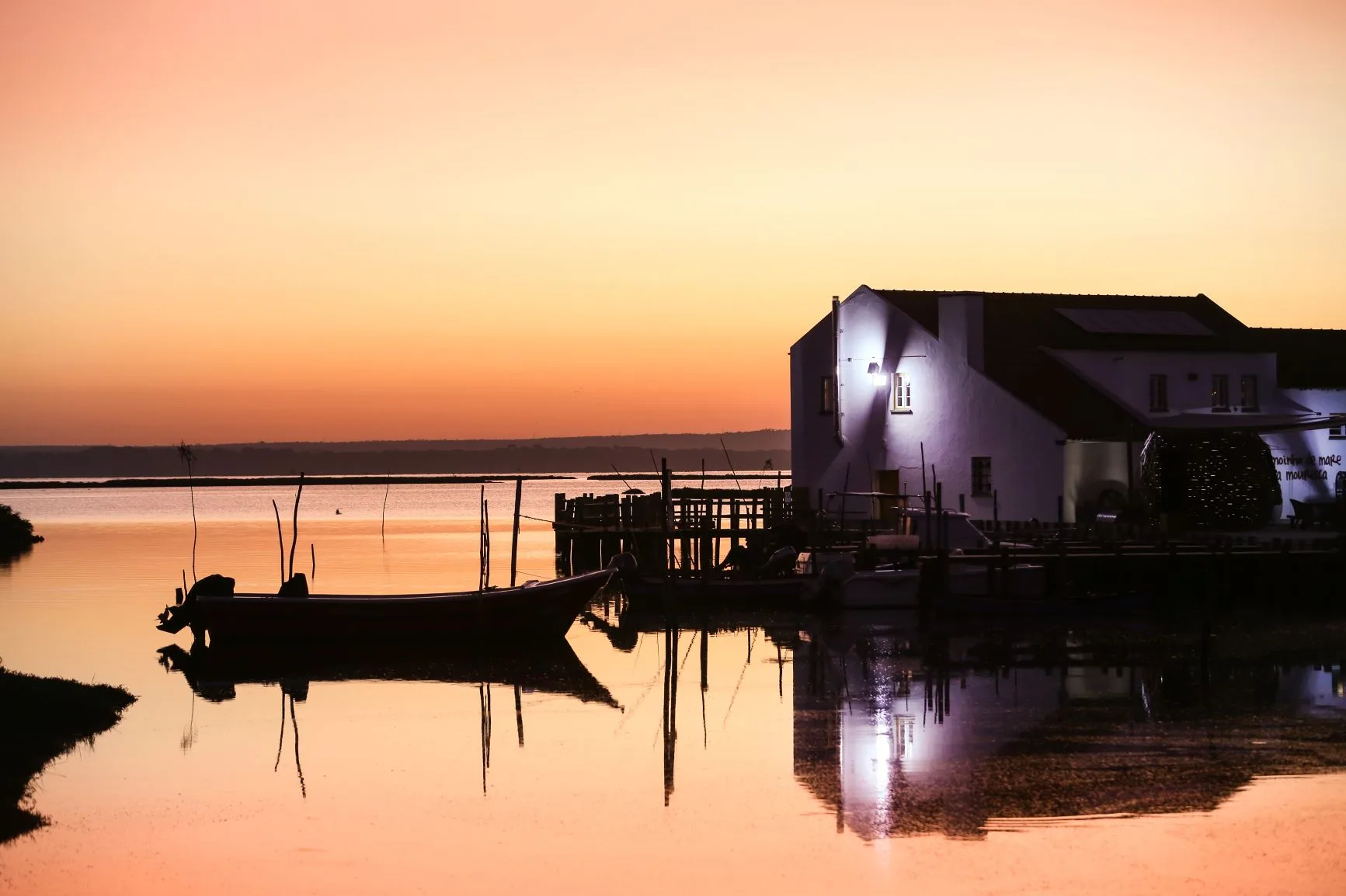
Sado Estuary Nature Reserve
- Nature Reserves
Paul de Arzila Nature Reserve
- Nature Reserves
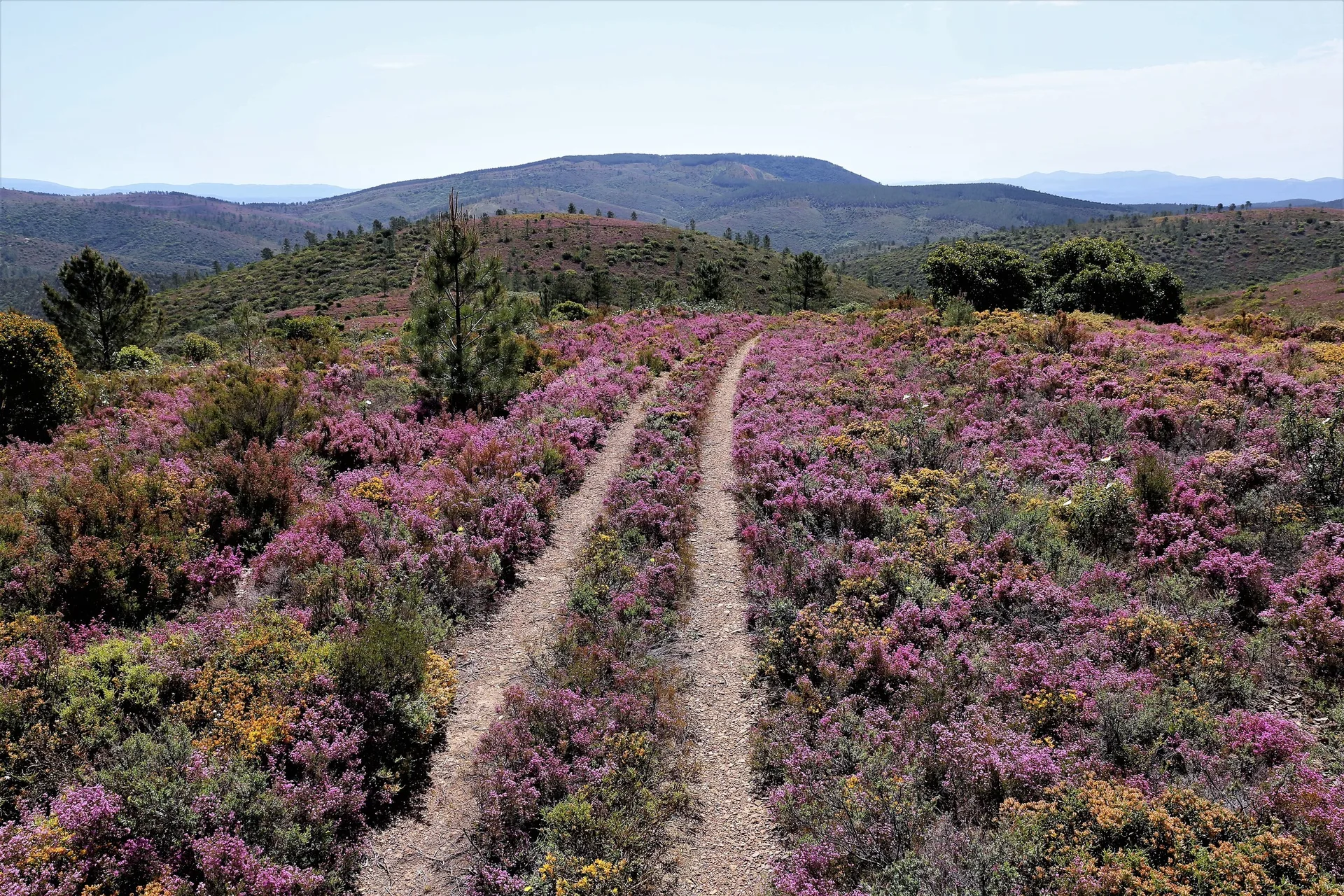
Serra da Malcata Nature Reserve
- Nature Reserves
Paul do Taipal Wetland
- Nature Reserves
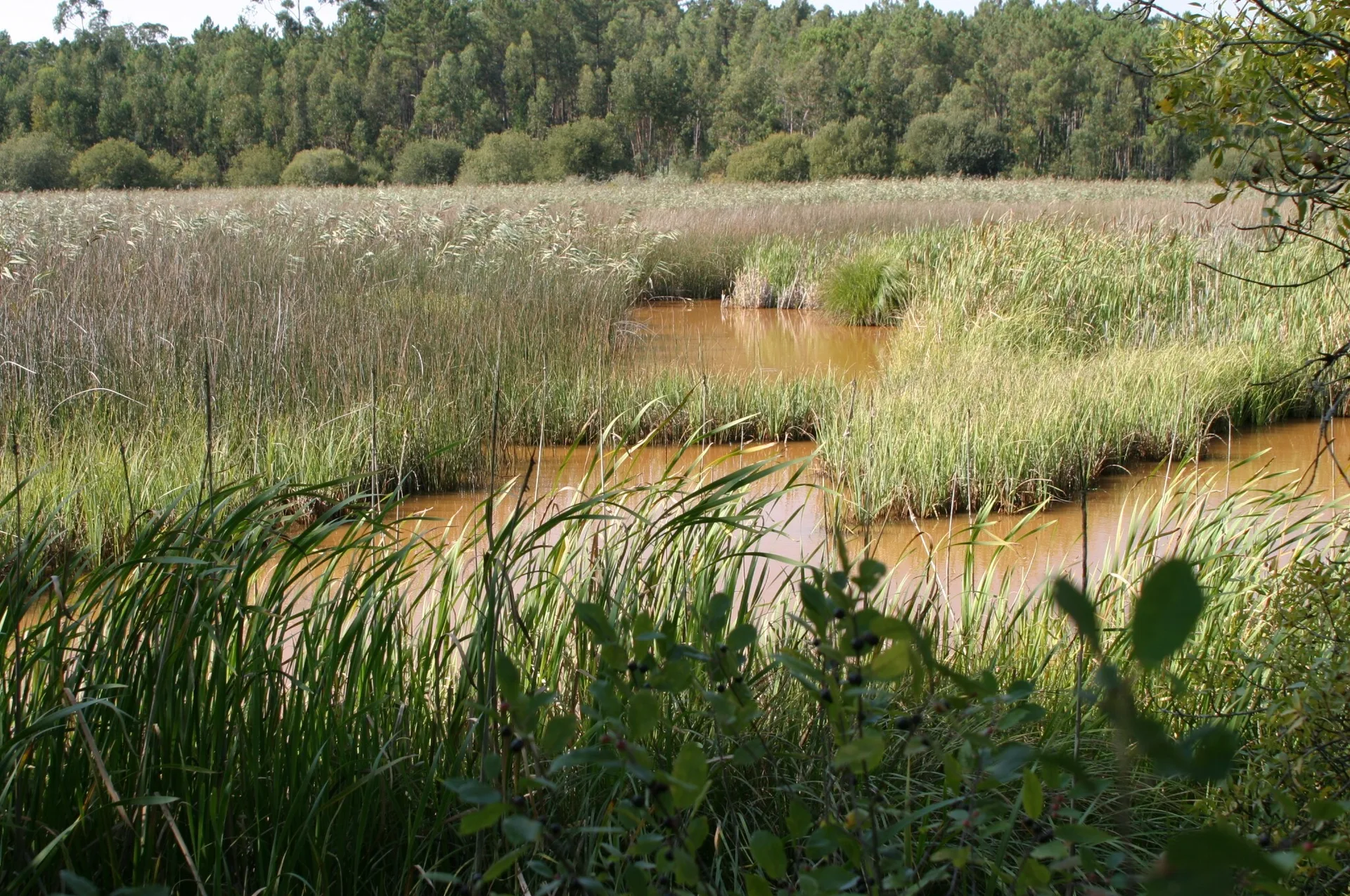
Paul da Madriz Wetland
- Nature Reserves
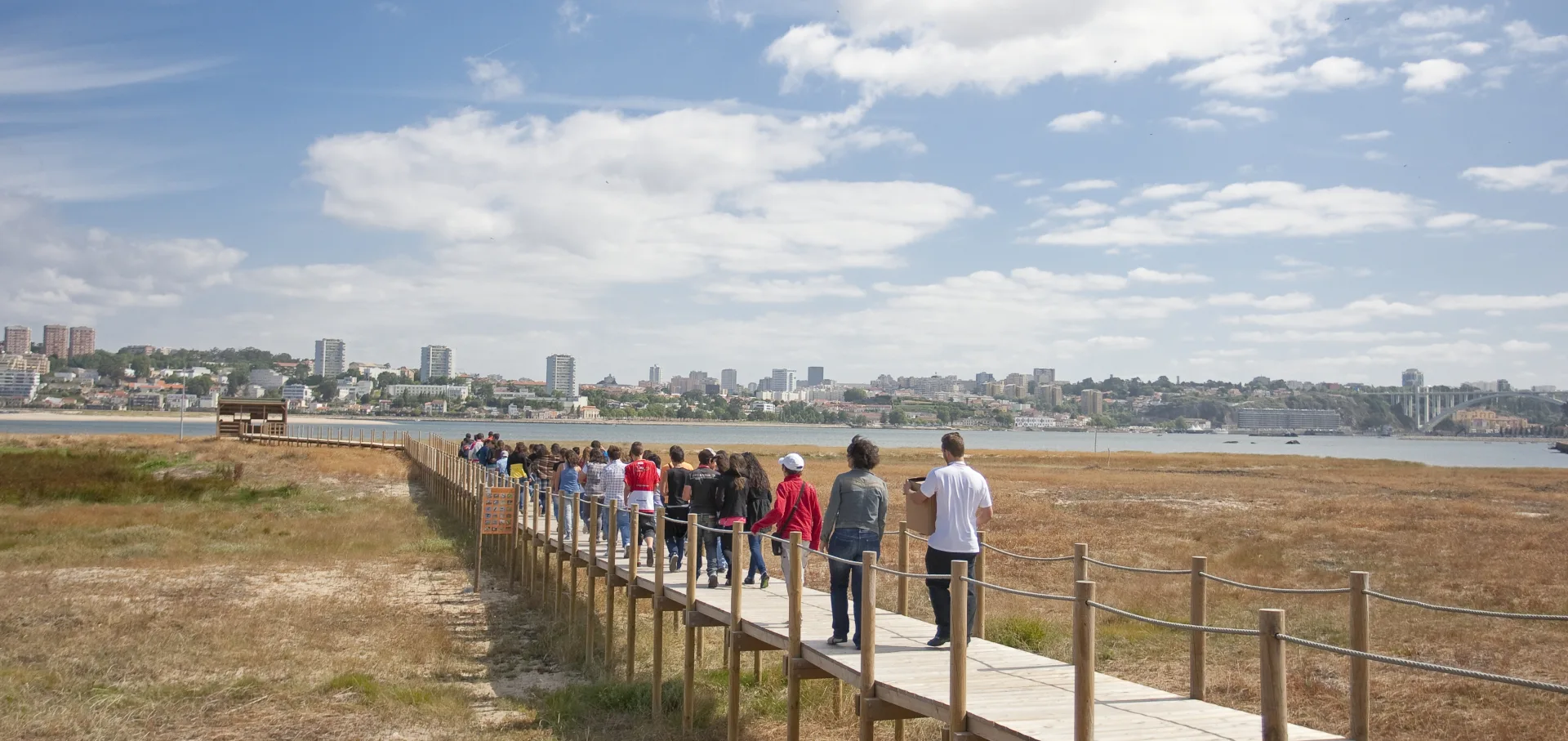
Douro Estuary Local Nature Reserve
- Nature Reserves
Paul de Tornada Local Nature Reserve
- Nature Reserves

Lagoa Pequena Interpretive Space
- Nature Reserves
Vila Franca do Campo Islet
- Nature Reserves
Selvagens Islands Nature Reserve
- Nature Reserves
Foz do Almargem and Trafal Local Nature Reserve
- Nature Reserves

Pateira de Fermentelos Lagoon
- Nature Reserves
Pico Mountain Nature Reserve
- Nature Reserves
Rocha do Navio Nature Reserve
- Nature Reserves
Castro Verde Biosphere Reserve
Travellers' notes
Tips and experiences from people who have been here.
No notes yet. Be the first to share a tip.