The upper slopes and summit of Portugal's highest mountain, a 2,351-metre volcano on Pico island. Protected since 1972, it is climbed on a single marked trail from the Casa da Montanha, with visitor numbers capped.
About this place
Pico Mountain is the highest point in Portugal and the third largest volcano in the North Atlantic. This stratovolcano rises 2,351 metres above the sea on the island of Pico, in the central group of the Azores, and about 3,500 metres above the ocean floor around the islands. Its upper part was classified as an integral reserve in 1972, which makes it one of the oldest protected areas in the country, and became a nature reserve in 1982. The reserve covers about 1,341 hectares and is one of the protected areas of the Pico Nature Park.
What is protected here is a volcano and the life that clings to it. The mountain carries alpine and subalpine habitats where snow can lie for long periods. Above 1,800 metres the ground is covered mainly by thyme, heather and Azores heath, and at around 2,200 metres grows a subspecies of sea campion that exists nowhere else in the world. The reserve belongs to a Natura 2000 Special Area of Conservation and is a priority geosite of international importance in the Azores UNESCO Global Geopark. On the way up walkers pass the Furna Abrigo, a cone with a pit some 40 metres deep, a fossil crater at 2,050 metres and, on top, the summit crater with the small lava cone of Piquinho, where fumaroles still steam.
The climb starts and ends at the Casa da Montanha, a stone building at about 1,230 metres where every walker must register before setting off and report back on return. Inside, panels and a film explain the mountain's geology, plants, history and weather. The round trip is 7.6 kilometres with more than 1,100 metres of ascent, on steep ground of rock, gravel and earth, and takes around seven hours. Forty-seven wooden posts mark the way, the last one inside the crater. You can go on your own or with a mountain guide. Access is limited to 320 walkers a day and 160 at the same time, so it is wise to book ahead on the official platform. When there is snow or ice, crampons are required.
The Casa da Montanha is reached by road from Madalena. From the church in the town, follow the signs for Montanha: after about 12 kilometres a side road on the right climbs for another 5 kilometres to the house. Take proper boots, warm and waterproof clothing, water, food and sun protection, and a torch if you climb at night. Fog can hide the posts very quickly; the rule on the mountain is to go back to the last post if the next one has not appeared within half an hour. Staying on the trail also protects the low vegetation, which never grows on the path itself.
Location
Azores38.4663, -28.4010
Nearby
- Agritourism
Quinta da Meia Eira
- Nature Reserves
Caldeira do Faial Nature Reserve
- Agritourism
Make It Happen Farm
- Agritourism

Quinta do Martelo
- Organic Shops
BioAzórica Organic Market
- Outdoor Fun
Garoupa Canoe Tours
- Restaurants

Rotas da Ilha Verde
- Traditional Crafts
Azores in a Box – Certified Azorean Craft Shop
Photos from travellers
Sent by people who have been here.
No traveller photos yet. Been here? Share yours.
More places in Nature Reserves
- Nature Reserves
Berlengas Nature Reserve
- Nature Reserves
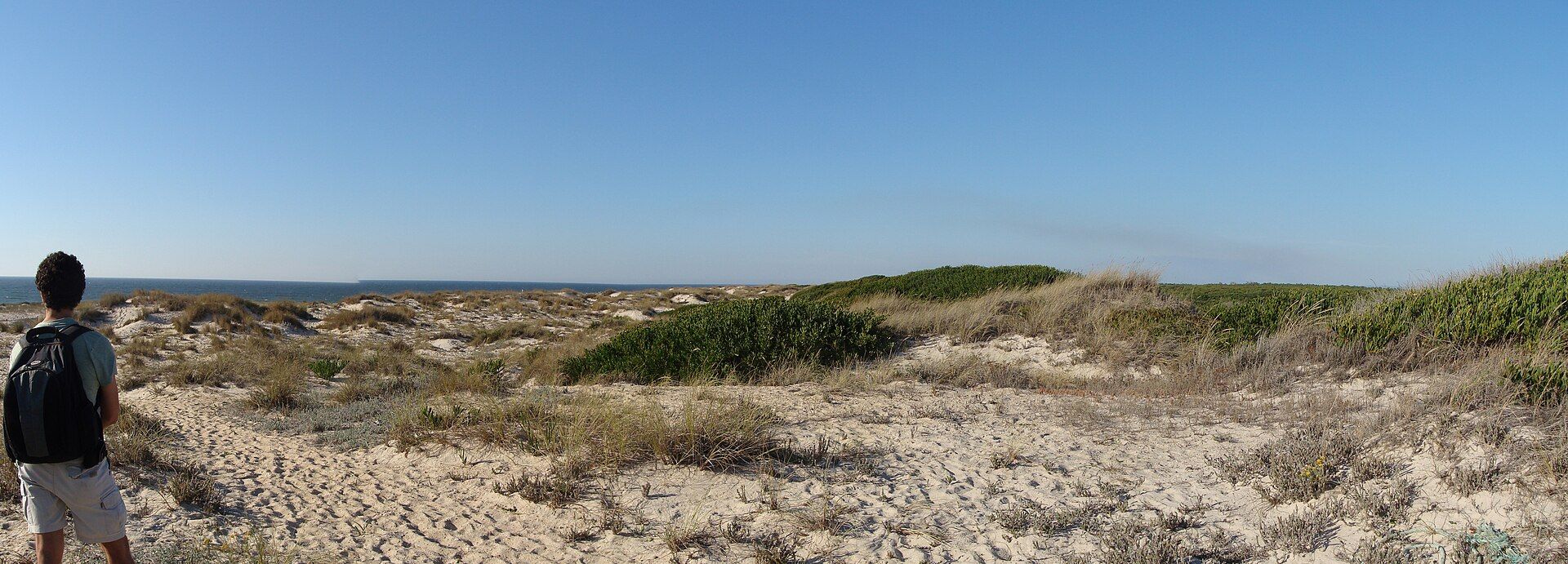
São Jacinto Dunes Nature Reserve
- Nature Reserves
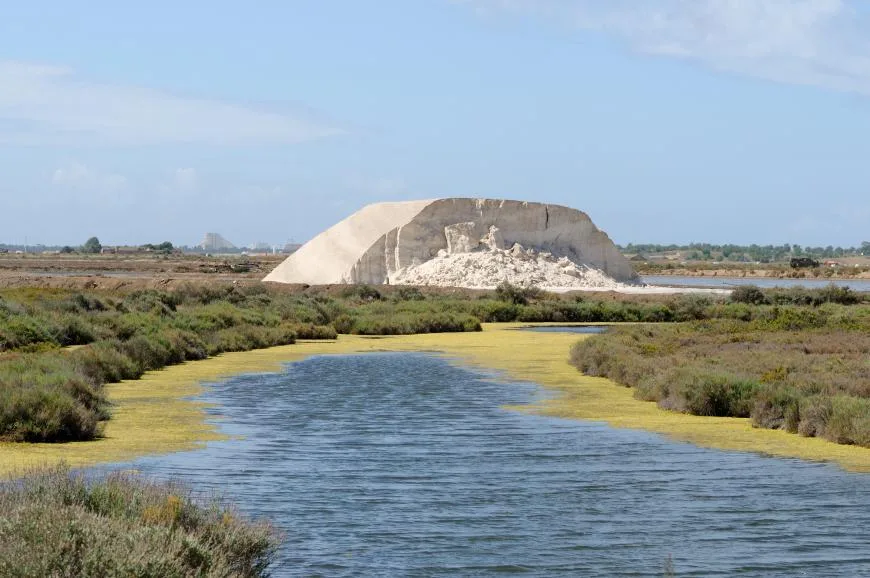
Castro Marim and Vila Real de Santo António Marsh Nature Reserve
- Nature Reserves
Desertas Islands Nature Reserve
- Nature Reserves
Garajau Partial Nature Reserve
- Nature Reserves
Lagoa do Fogo Nature Reserve
- Nature Reserves
Caldeira do Faial Nature Reserve
- Nature Reserves
Tagus Estuary Nature Reserve (Estuário do Tejo)
- Nature Reserves
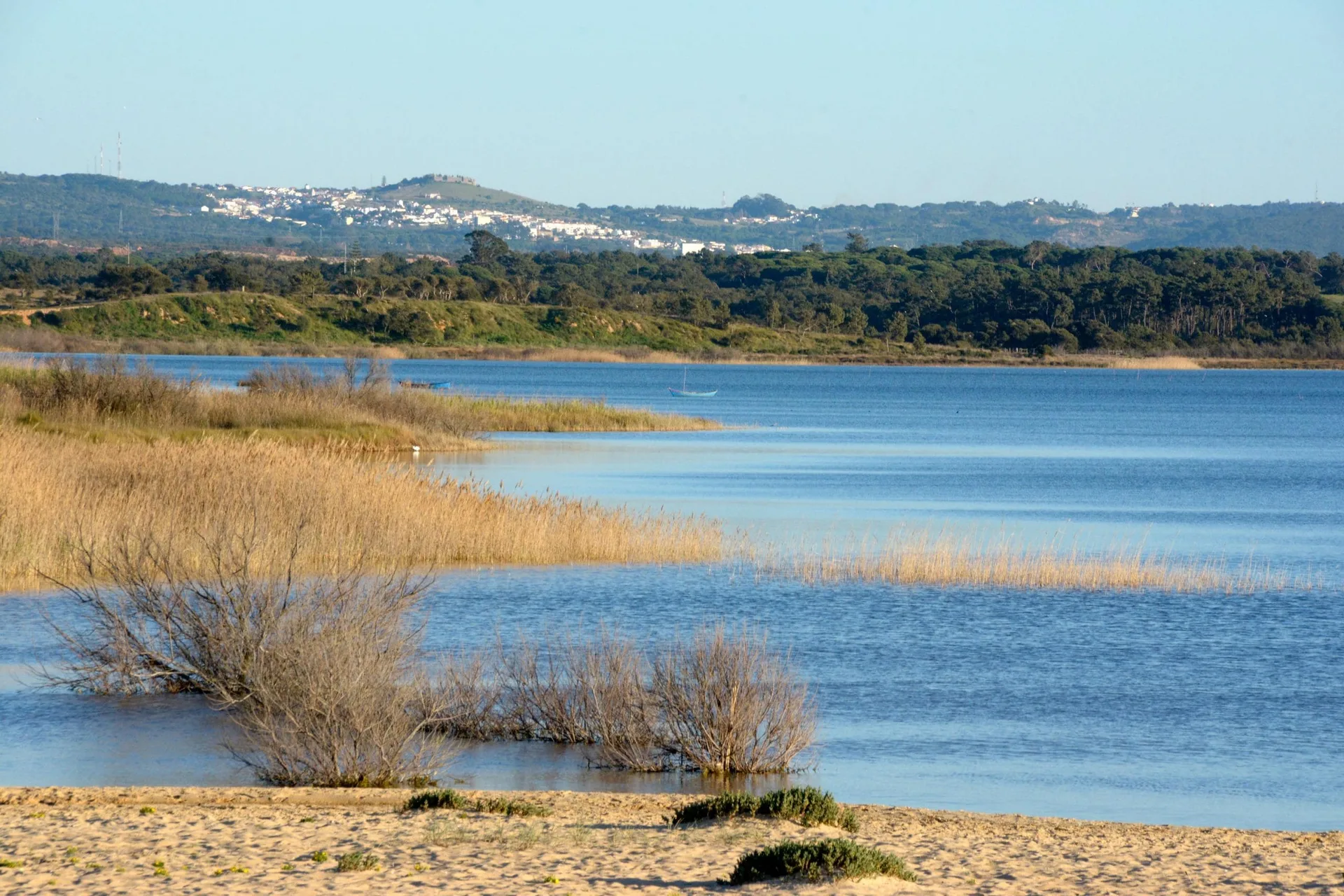
Santo André and Sancha Lagoons Nature Reserve
- Nature Reserves
Paul do Boquilobo Nature Reserve
- Nature Reserves
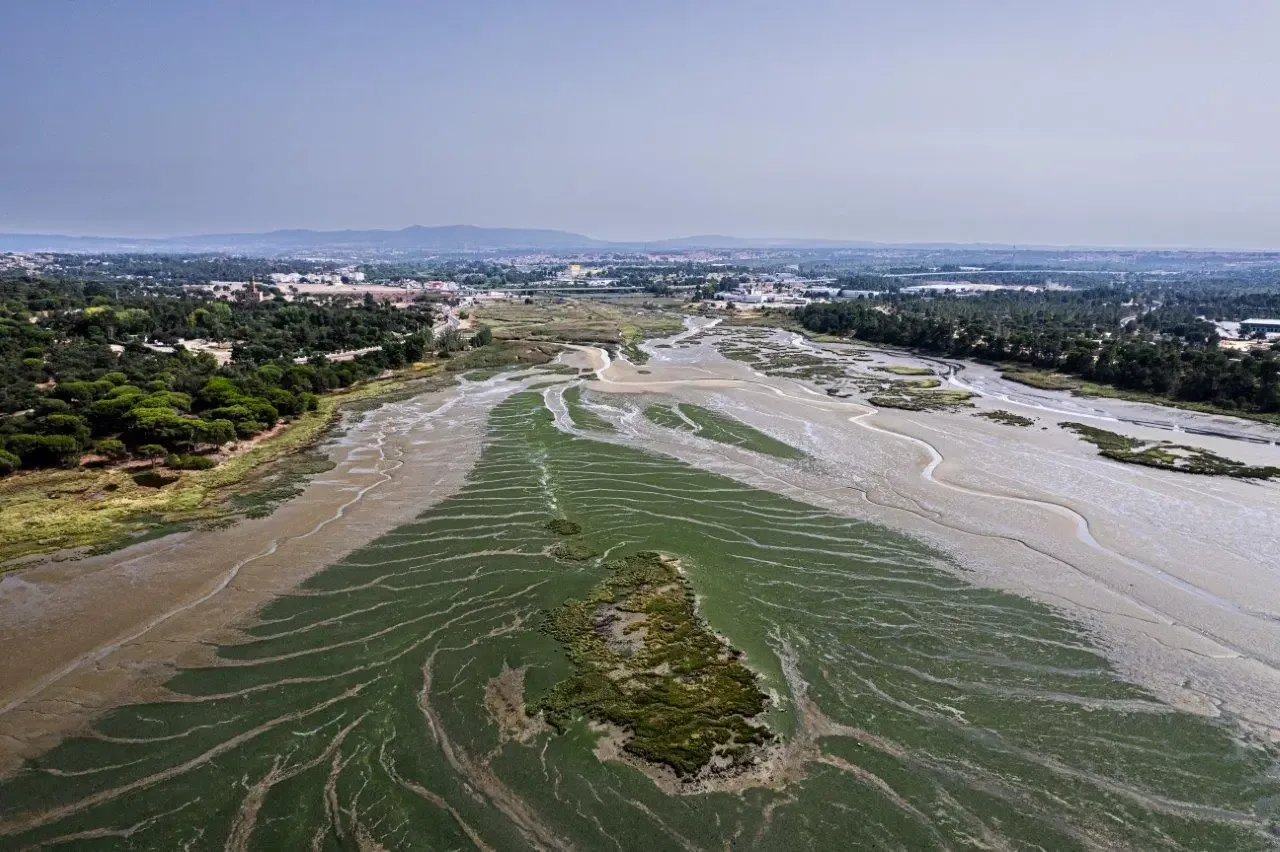
Sapal do Rio Coina and Mata da Machada Local Nature Reserve
- Nature Reserves
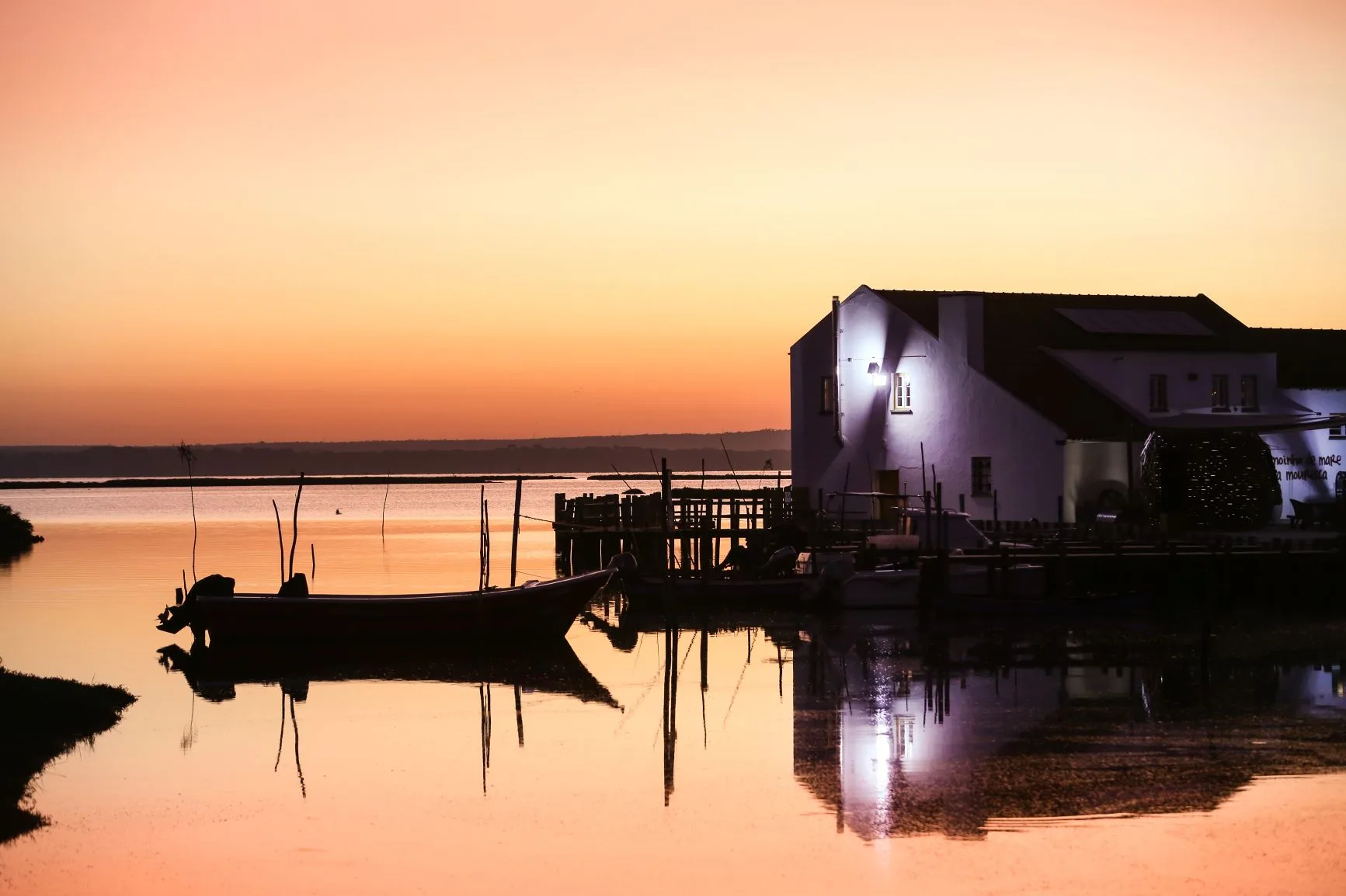
Sado Estuary Nature Reserve
- Nature Reserves
Paul de Arzila Nature Reserve
- Nature Reserves
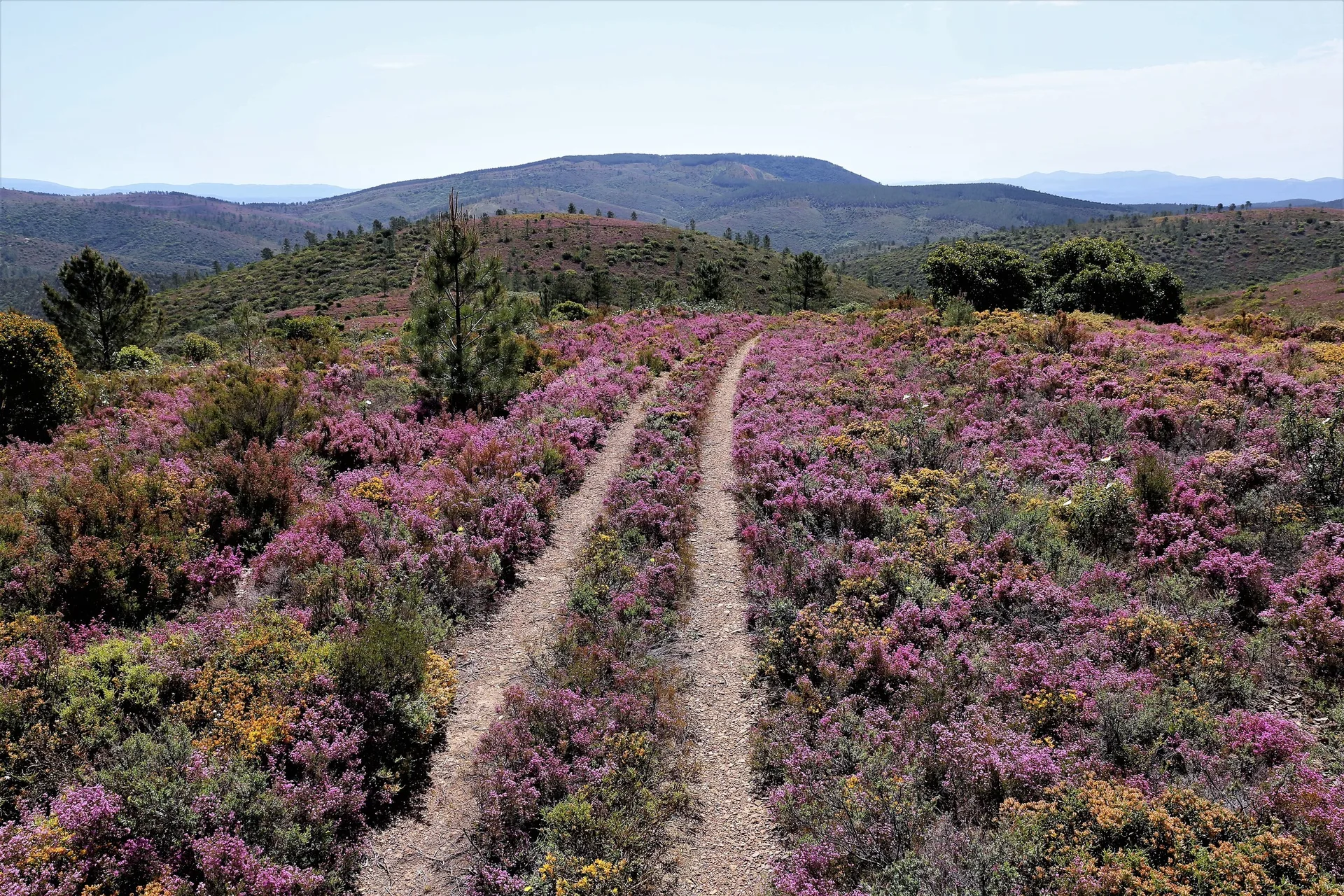
Serra da Malcata Nature Reserve
- Nature Reserves
Paul do Taipal Wetland
- Nature Reserves
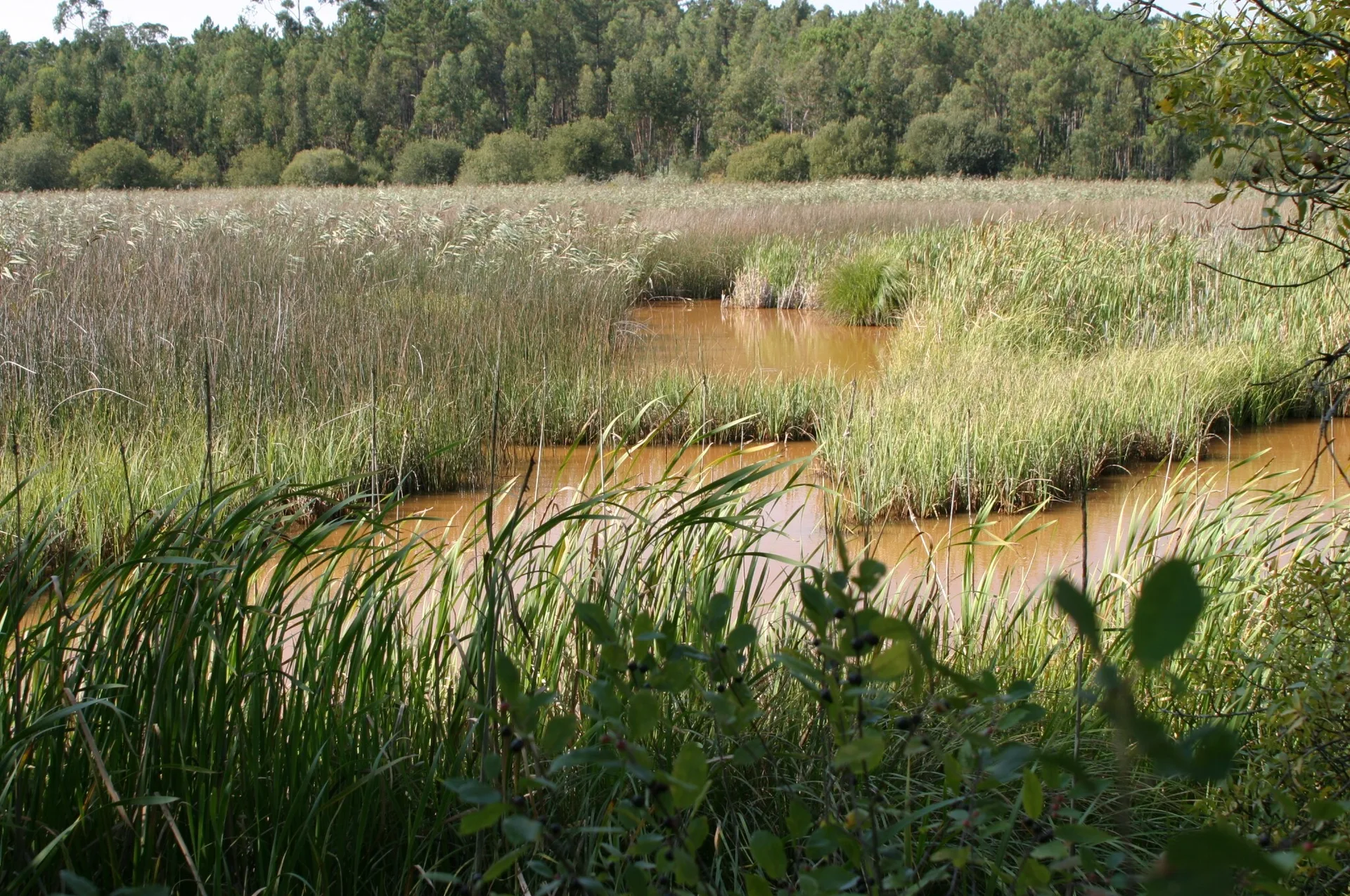
Paul da Madriz Wetland
- Nature Reserves
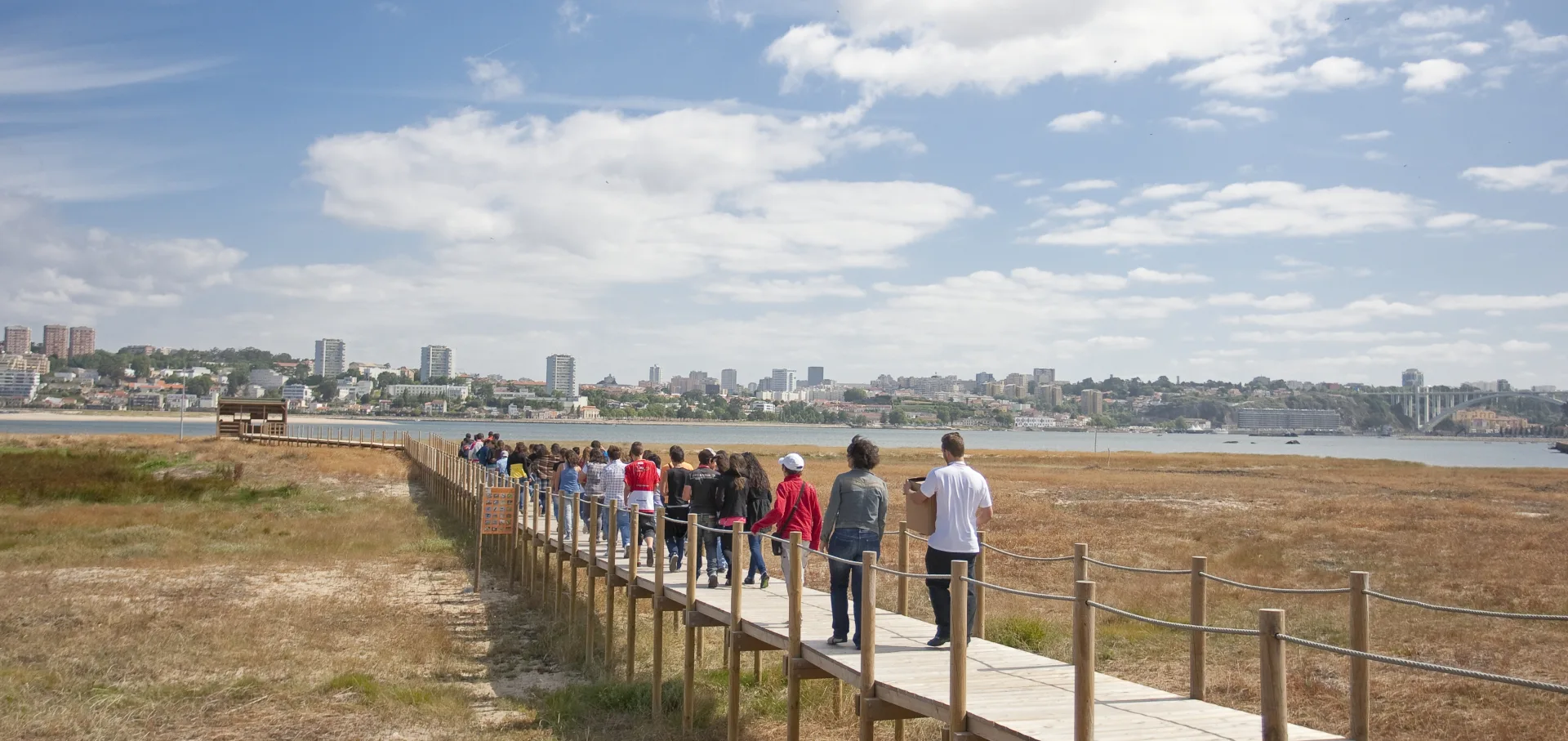
Douro Estuary Local Nature Reserve
- Nature Reserves

Faia Brava Reserve
- Nature Reserves
Paul de Tornada Local Nature Reserve
- Nature Reserves

Lagoa Pequena Interpretive Space
- Nature Reserves
Vila Franca do Campo Islet
- Nature Reserves
Selvagens Islands Nature Reserve
- Nature Reserves
Foz do Almargem and Trafal Local Nature Reserve
- Nature Reserves

Pateira de Fermentelos Lagoon
- Nature Reserves
Rocha do Navio Nature Reserve
- Nature Reserves
Castro Verde Biosphere Reserve
Travellers' notes
Tips and experiences from people who have been here.
No notes yet. Be the first to share a tip.