Castro Marim and Vila Real de Santo António Marsh Nature Reserve
Portugal's first nature reserve, created in 1975 beside the mouth of the Guadiana: salt marshes, tidal creeks and working salt pans where flamingos, spoonbills and black-winged stilts can be watched from signposted trails.
About this place
The Castro Marim and Vila Real de Santo António Marsh Nature Reserve lies in the far south-east of the Algarve, on the Portuguese bank of the Guadiana just before the river reaches the sea. Created in March 1975, it was the first nature reserve to be established in Portugal. It covers about 2,300 hectares in the municipalities of Castro Marim and Vila Real de Santo António and is the responsibility of the national conservation institute ICNF, which has co-managed it with the two municipalities since 2021.
Roughly two thirds of the reserve is wetland: salt marsh, brackish lagoons, tidal creeks and salt pans, flooded by the tides that run up the estuary. The rest is dry farmland and low hills at the foot of the Algarve uplands. The creeks act as a nursery for fish, shellfish and crustaceans, and salt is still harvested here; salt making remains the main economic activity in the wetland. The area is a Ramsar wetland of international importance and part of the Natura 2000 network, both as a Special Protection Area for birds and as a Special Area of Conservation.
Birds are the main reason to come. The black-winged stilt is the symbol of the reserve, and flamingos, spoonbills, avocets, white storks and little terns are regularly seen; about 170 species are recorded here every year. In 2021 flamingos bred successfully in one of the salt pans, reported as a first for Portugal. Numbers are highest in winter and during the migration seasons.
The reserve's interpretation centre, beside the Venta Moinhos marsh, has exhibitions, publications and good views over the marshes from inside the building; it is signposted from the N122 road between Castro Marim and the A22 motorway. The Venta Moinhos trail, about 7 kilometres there and back, follows the access track to the centre and continues to an old border-guard house above the river. On the other side of Castro Marim, the Cerro do Bufo trail runs for about 10.5 kilometres there and back through the salt pans, on foot or by bicycle, and has a bird hide. Keep to the paths: the salt pans are working sites.
Location
Faro37.2137, -7.4421
Nearby
- Agritourism
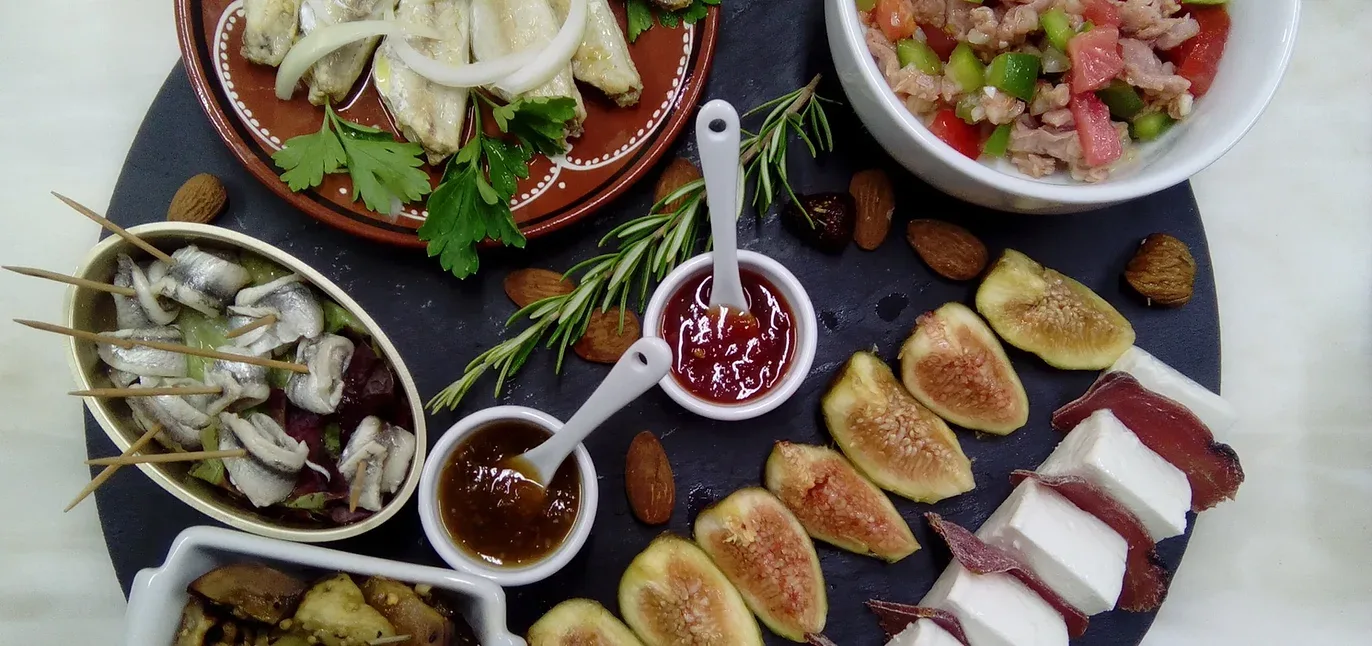
Quinta da Fornalha
- Natural Parks
Ria Formosa Natural Park
- Natural Parks
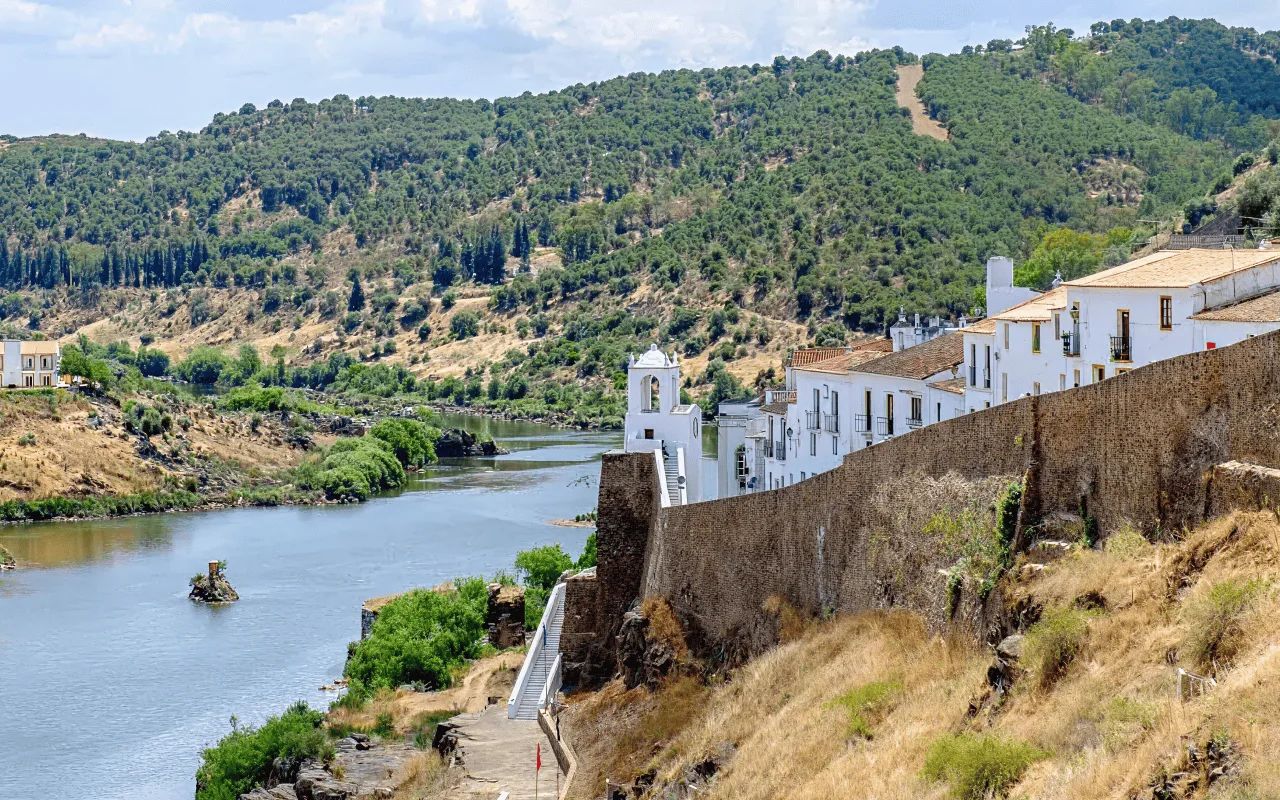
Vale do Guadiana Natural Park
- Nature Trails
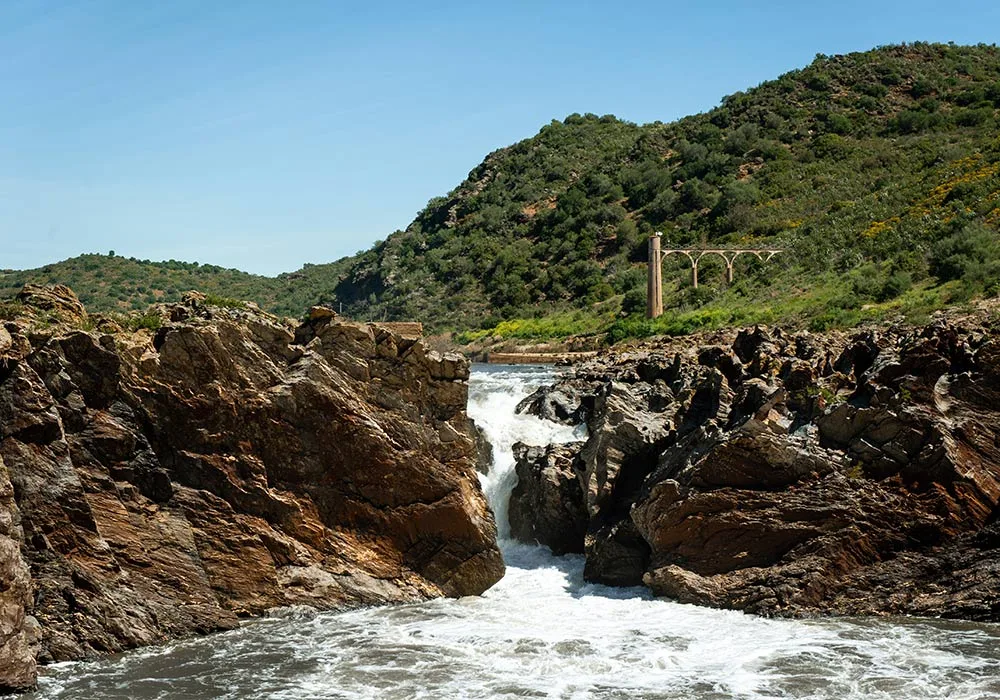
PR9 Between the Escalda and Pulo do Lobo
- Nature Trails
Sete Vales Suspensos Trail (Seven Hanging Valleys)
- Eco Stays

Craveiral Farmhouse
- Natural Parks
Sudoeste Alentejano e Costa Vicentina Natural Park
- Greenways
Reguengos Greenway
Photos from travellers
Sent by people who have been here.
No traveller photos yet. Been here? Share yours.
More places in Nature Reserves
- Nature Reserves
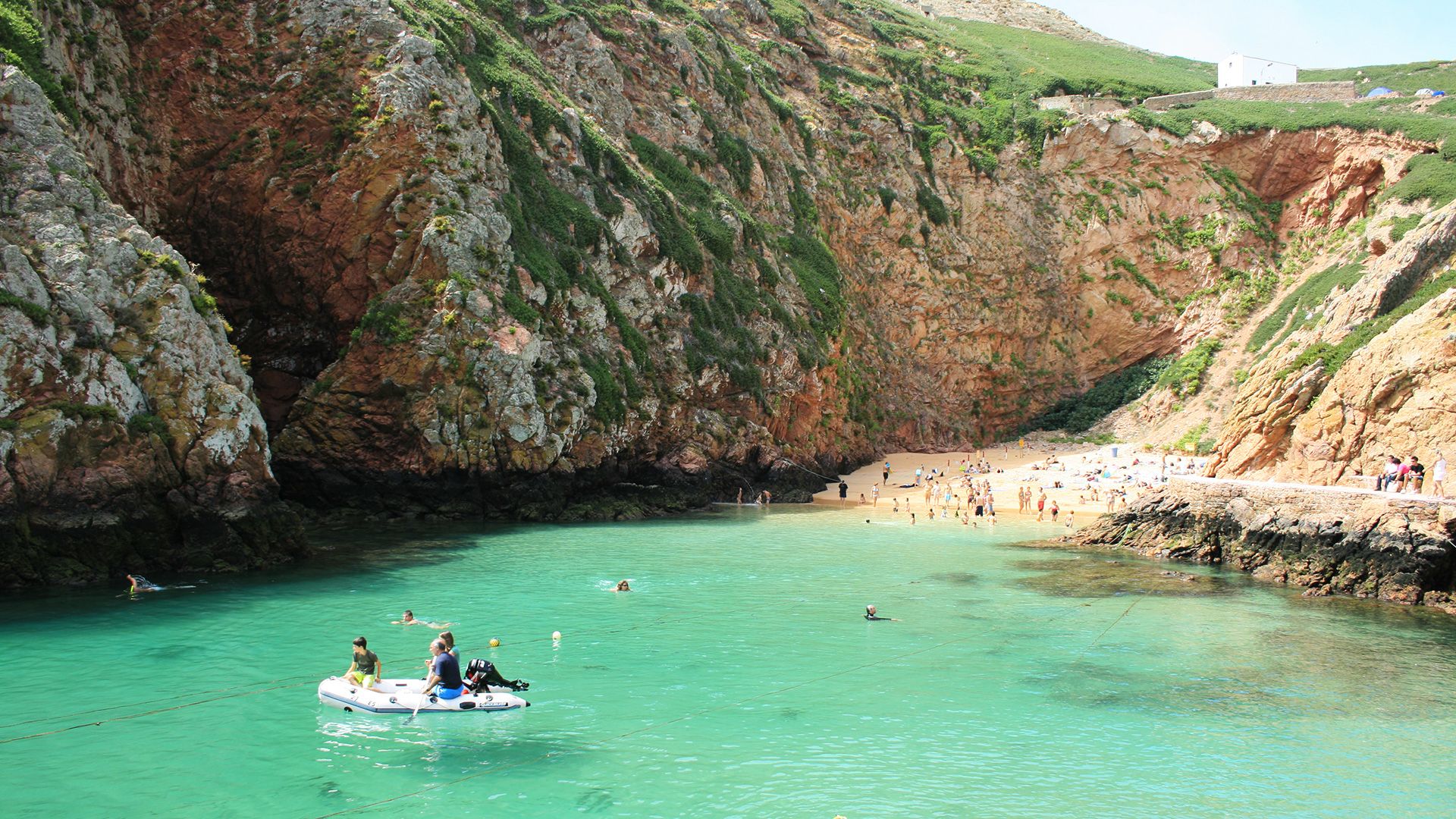
Berlengas Nature Reserve
- Nature Reserves
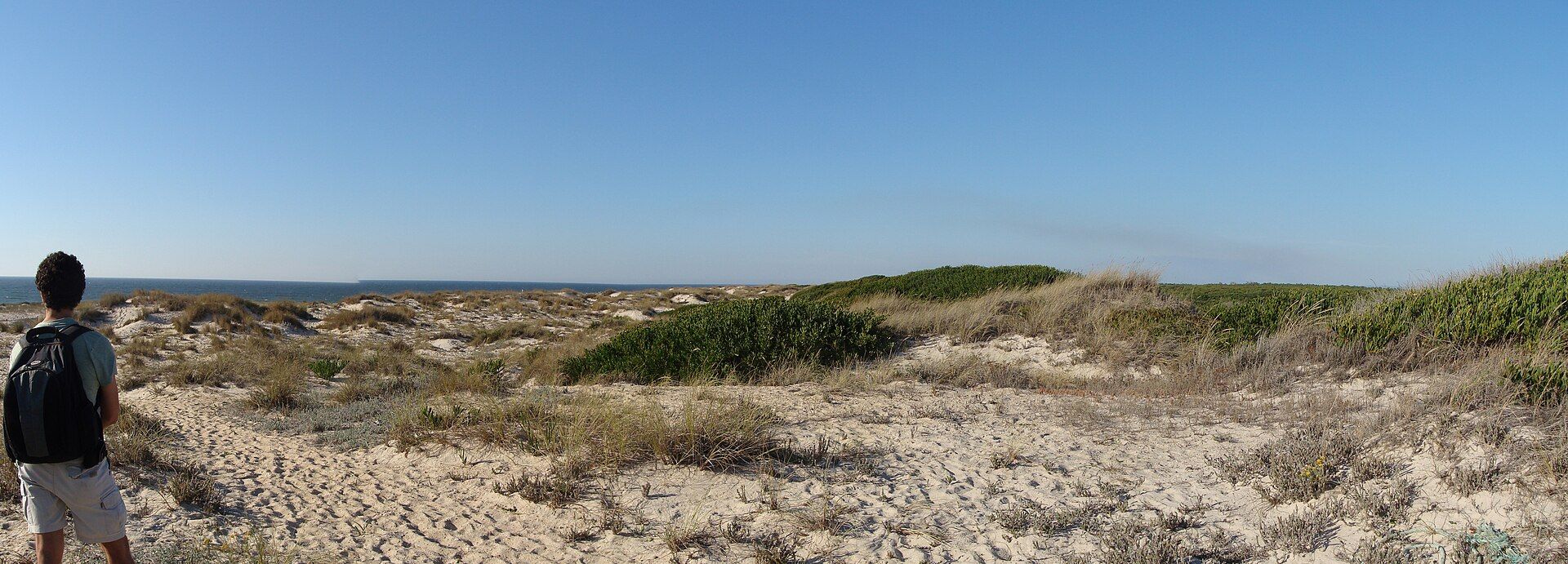
São Jacinto Dunes Nature Reserve
- Nature Reserves
Desertas Islands Nature Reserve
- Nature Reserves
Garajau Partial Nature Reserve
- Nature Reserves
Lagoa do Fogo Nature Reserve
- Nature Reserves
Caldeira do Faial Nature Reserve
Travellers' notes
Tips and experiences from people who have been here.
No notes yet. Be the first to share a tip.