UNESCO biosphere reserve on the cereal plains of Baixo Alentejo, home to most of Portugal's great bustards. Visitors come to watch steppe birds, walk and cycle among quiet rural roads and small villages.
About this place
The Castro Verde Biosphere Reserve covers the whole municipality of Castro Verde, in Beja district, in the part of Baixo Alentejo known as the Campo Branco, the White Field. UNESCO classified it in June 2017, making it the first biosphere reserve in Portugal south of the Tagus. It takes in about 57,000 hectares of gently rolling plain, with around 7,000 residents living in the town of Castro Verde and in about twenty small villages.
This is the most important area of cereal steppe in Portugal, a farmed landscape of open fields where cereal crops, fallow land and pasture take turns, broken here and there by old olive groves, holm oak montado, streams and small wetlands. Around 200 bird species have been recorded. About 80 per cent of the country's great bustards live in the Castro Verde Special Protection Area, alongside little bustards, black-bellied sandgrouse, Montagu's harriers, lesser kestrels and the Iberian imperial eagle, one of Europe's most endangered birds of prey. The Iberian lynx turns up occasionally.
The birds depend on farming. For generations farmers here have rotated dryland cereals with fallow years that let the soil recover and serve as grazing for livestock, and it is this low-intensity system that keeps the steppe open. More than three quarters of the reserve lies within the Natura 2000 network as a Special Protection Area for birds. The reserve is divided into core, buffer and transition zones and is managed jointly by the municipality, the Campo Branco farmers' association and the Liga para a Proteção da Natureza, a conservation charity that owns land in the reserve. The Castro Verde zonal plan, drawn up locally by the community, is recognised as a model of sustainable farming that favours biodiversity.
Birdwatching is the main reason to come. A Birdwatching Route, opened in 2022, shows visitors the best sites and habitats of the plain, and local guides and specialist companies run tours. The great bustard is shy and hard to see; the best time is spring, from mid-March to early April, when the males display. The Vale Gonçalinho Environmental Education Centre, run by the Liga para a Proteção da Natureza on a farm about seven kilometres from the town, welcomes visitors interested in steppe birds, and an easy circular trail of just under four kilometres starts there. The trails are best avoided from July to September because of the heat. There is also a cycling centre with ten gravel routes, and hot-air balloon flights over the plain.
Castro Verde town is the natural base, reached by the A2 motorway between Lisbon and the Algarve or by the IP2 from Beja, and it also sits on the Estrada Nacional 2, the road that runs the length of Portugal. In town are the tiled Royal Basilica and a museum of Roman oil lamps; cante alentejano, the unaccompanied choral singing recognised by UNESCO as intangible heritage, is very much alive here, and the Feira de Castro fair fills the town on the third weekend of October. Most of the plain is working farmland, so keep to public roads and marked trails and watch the birds from a distance.
Location
Beja37.6980, -8.0823
Nearby
- Ecoparks
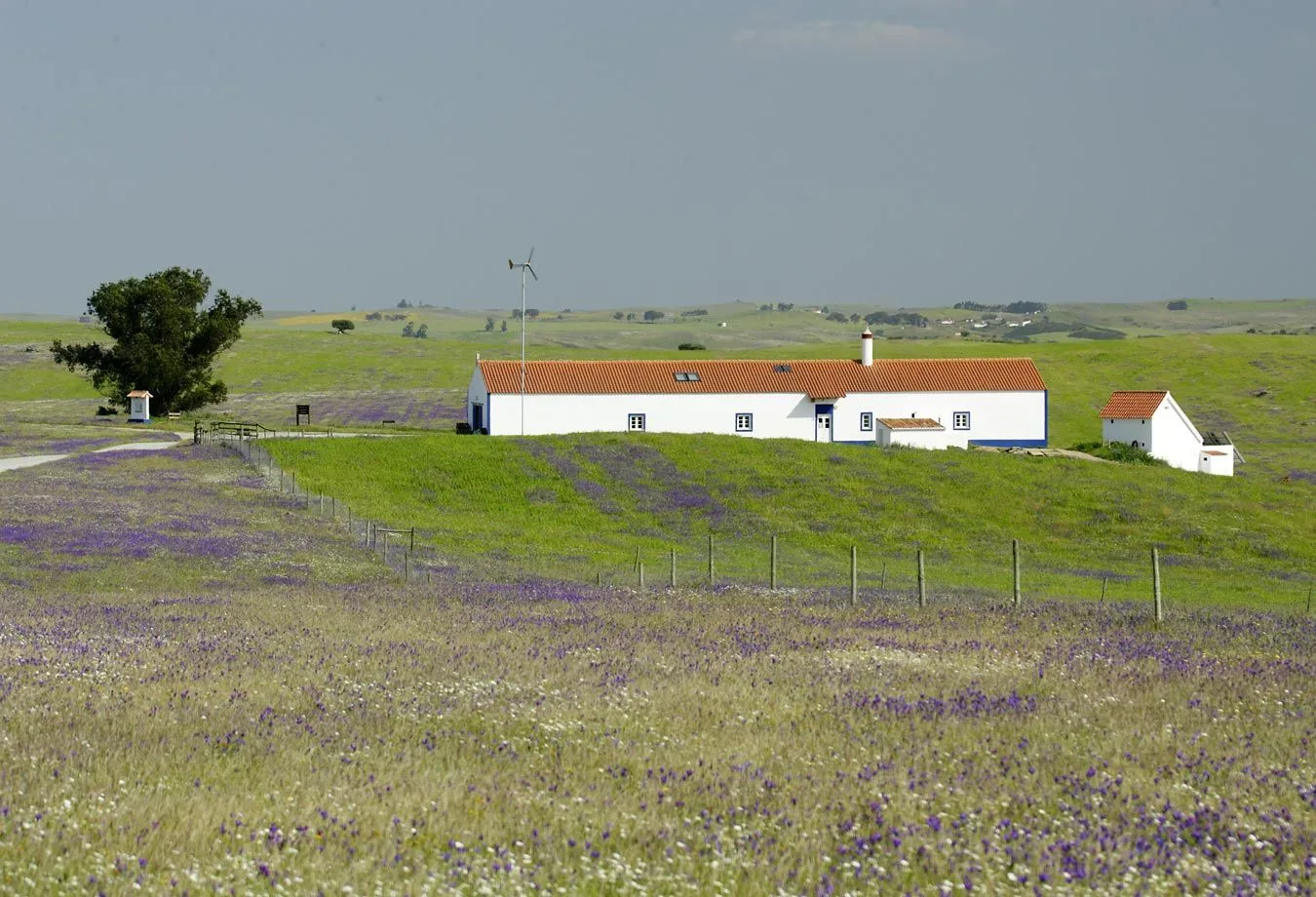
Vale Gonçalinho Environmental Education Centre
- Restaurants
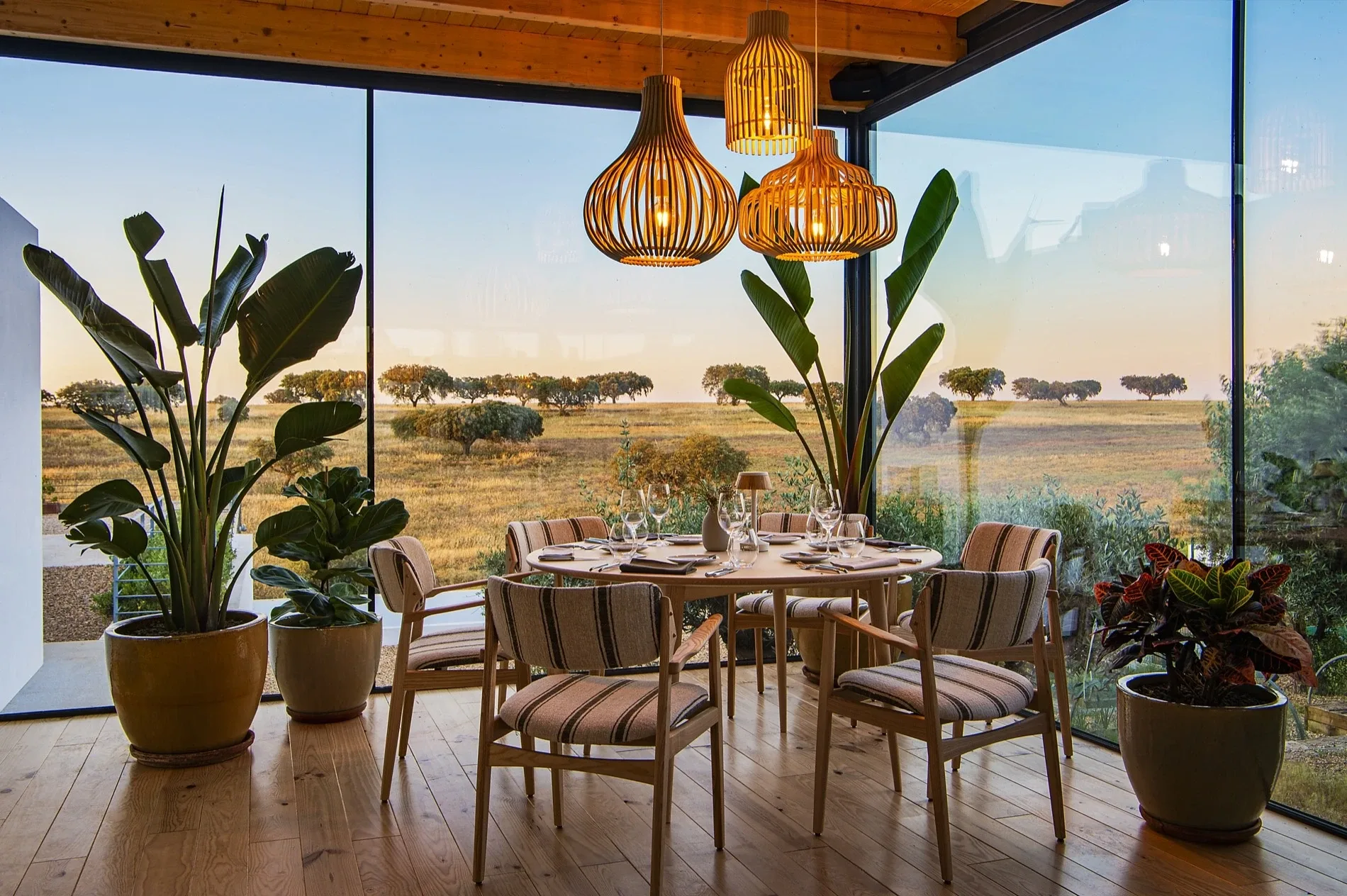
Malhadinha Nova Restaurant
- Agritourism
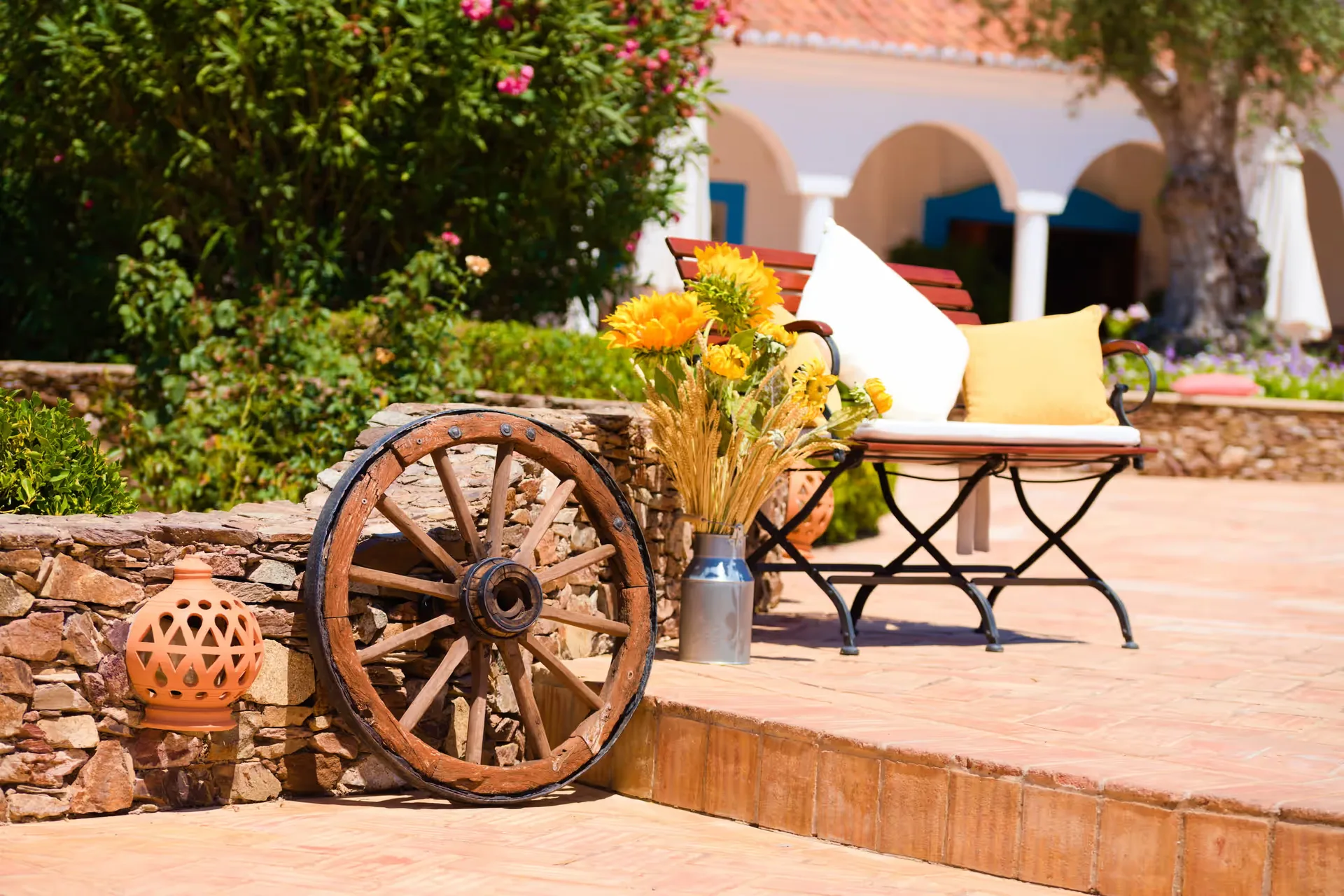
Herdade dos Grous
- Agritourism
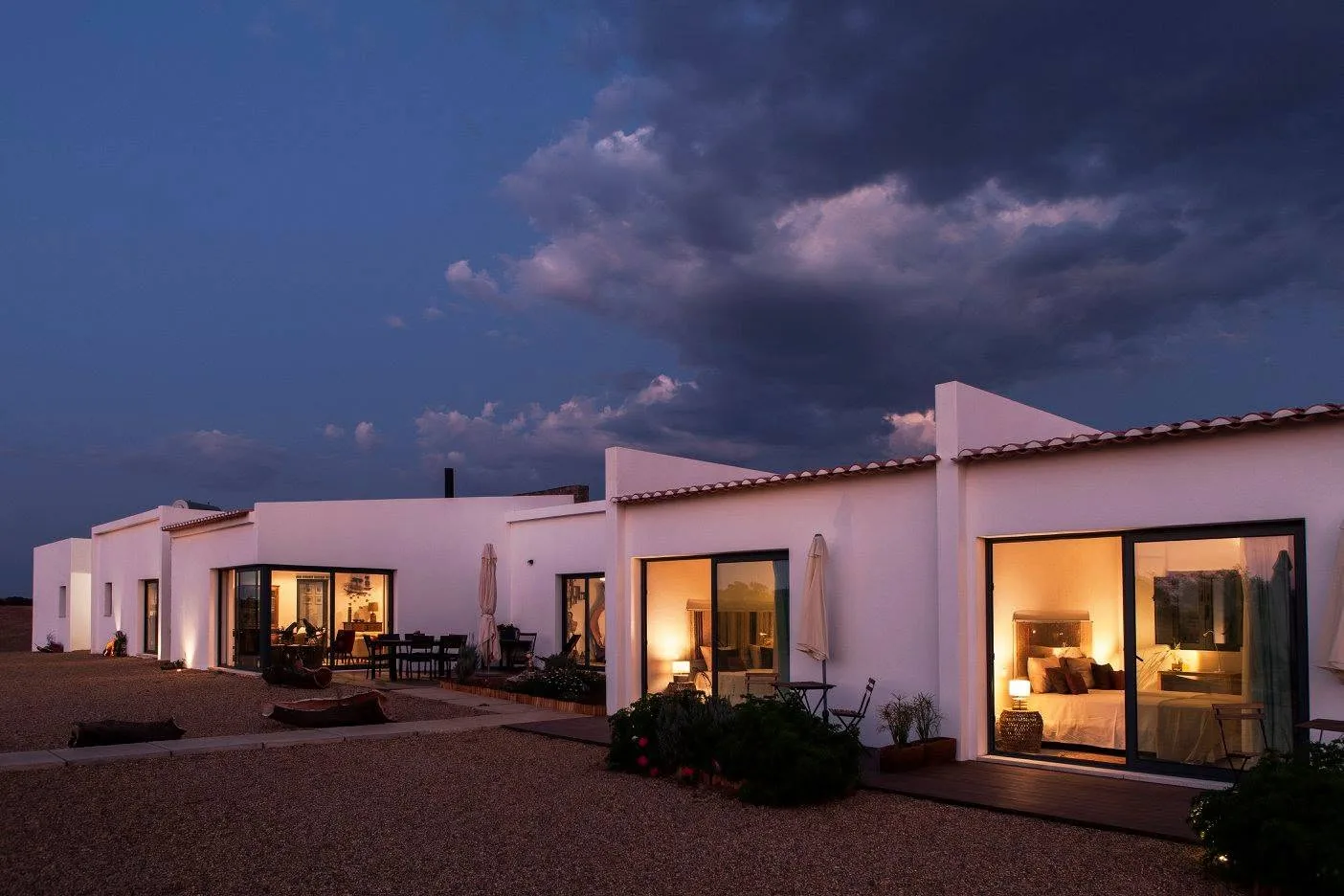
Xistos Agritourism
- Traditional Crafts
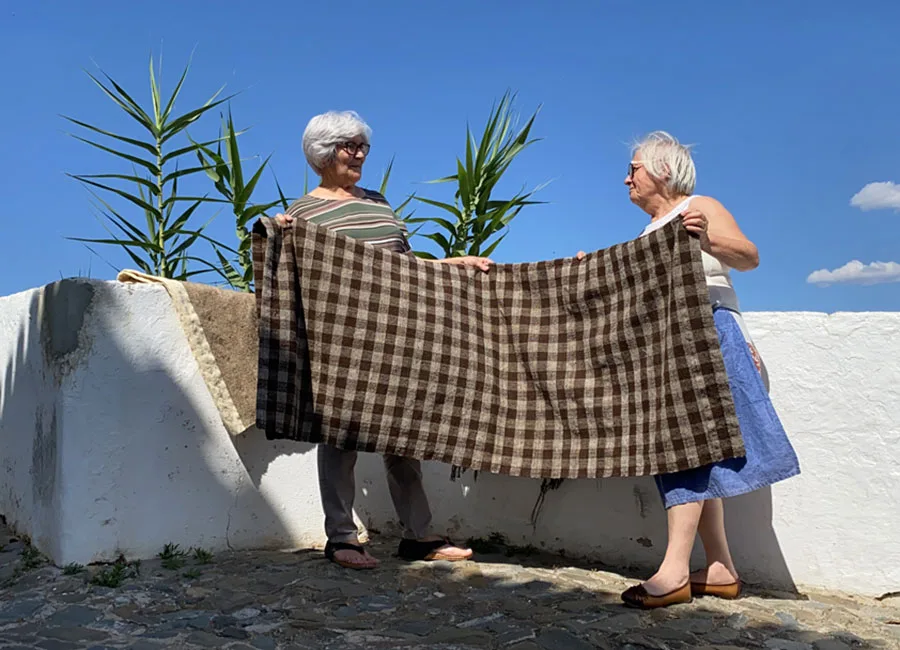
Mértola Weaving Workshop
- Natural Parks
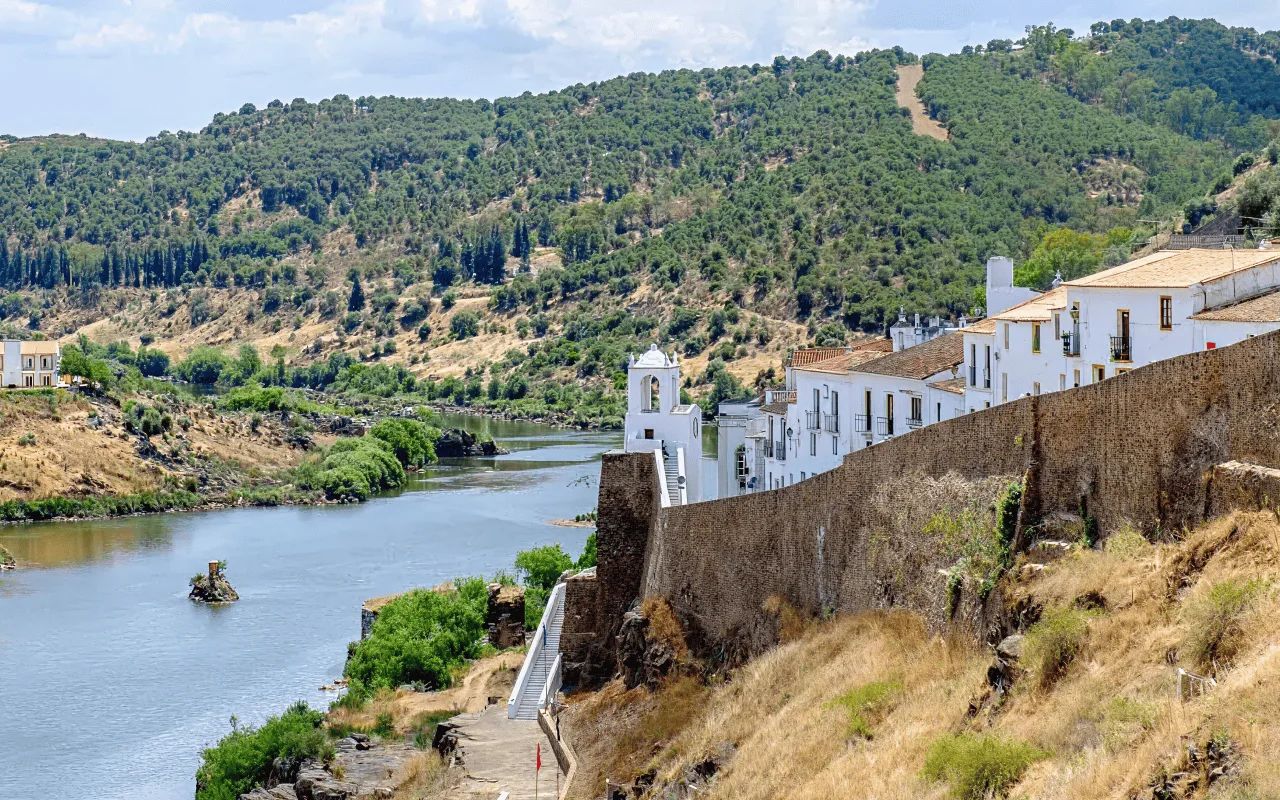
Vale do Guadiana Natural Park
- Nature Trails
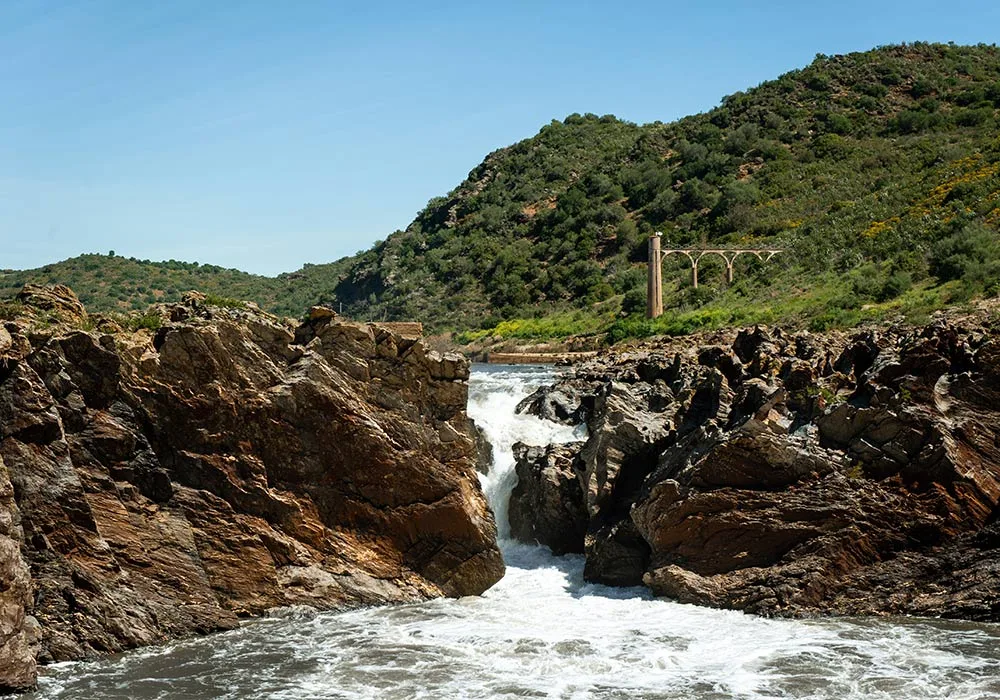
PR9 Between the Escalda and Pulo do Lobo
- Traditional Crafts
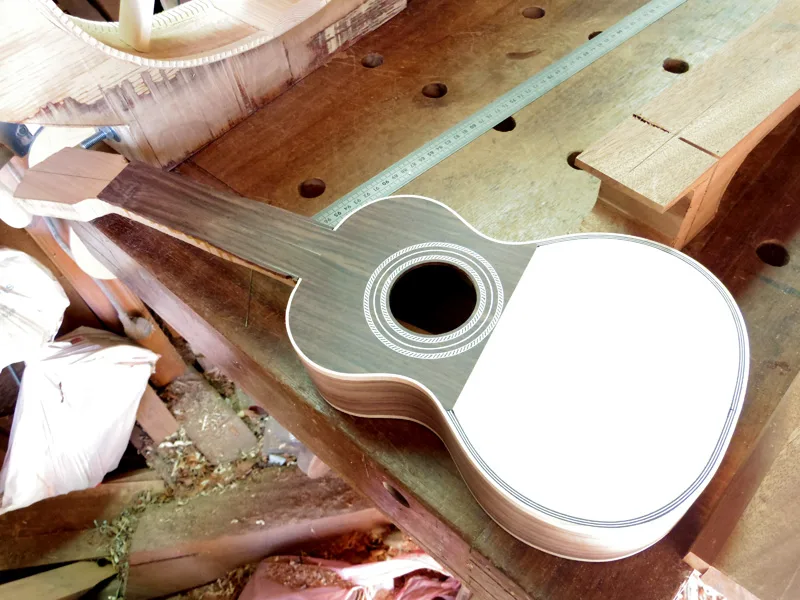
CACO – Odemira Artisans' Association
Photos from travellers
Sent by people who have been here.
No traveller photos yet. Been here? Share yours.
More places in Nature Reserves
- Nature Reserves
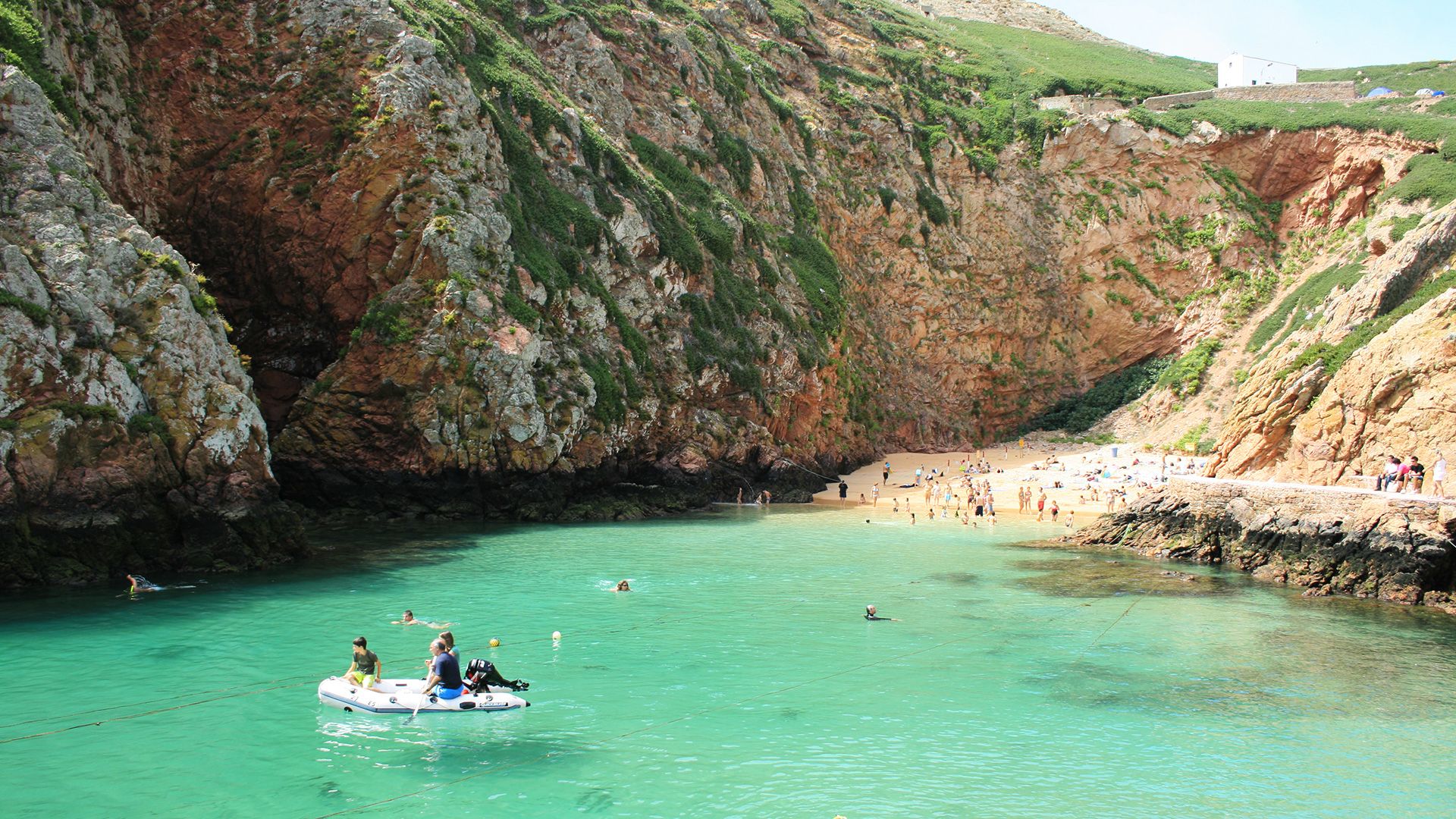
Berlengas Nature Reserve
- Nature Reserves
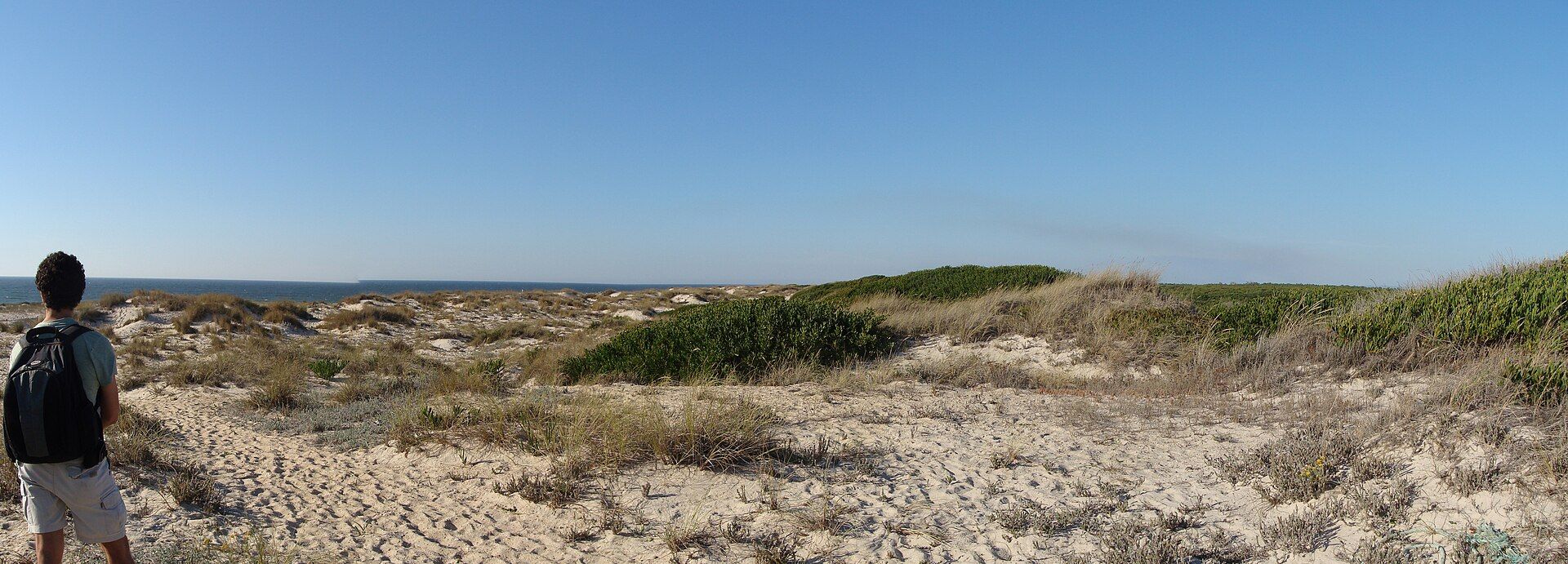
São Jacinto Dunes Nature Reserve
- Nature Reserves
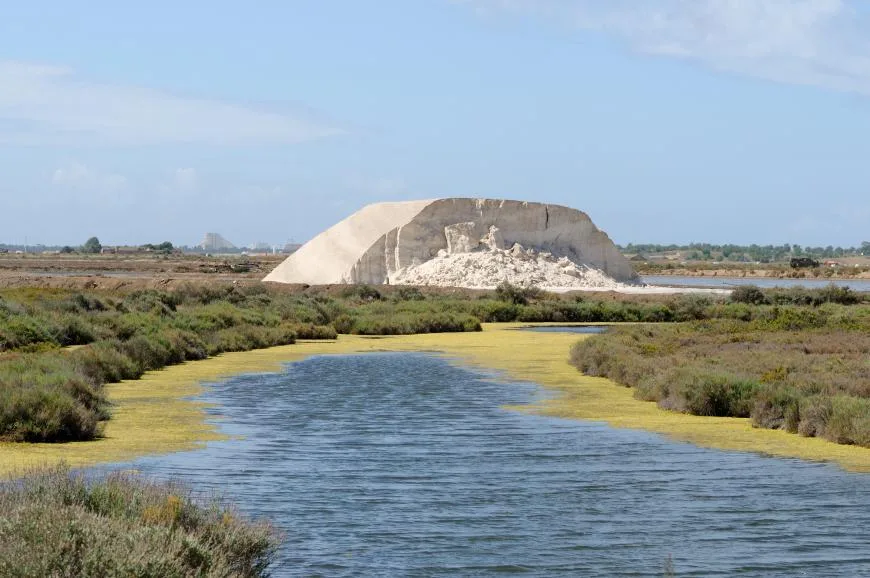
Castro Marim and Vila Real de Santo António Marsh Nature Reserve
- Nature Reserves
Desertas Islands Nature Reserve
- Nature Reserves
Garajau Partial Nature Reserve
- Nature Reserves
Lagoa do Fogo Nature Reserve
- Nature Reserves
Caldeira do Faial Nature Reserve
- Nature Reserves
Tagus Estuary Nature Reserve (Estuário do Tejo)
- Nature Reserves
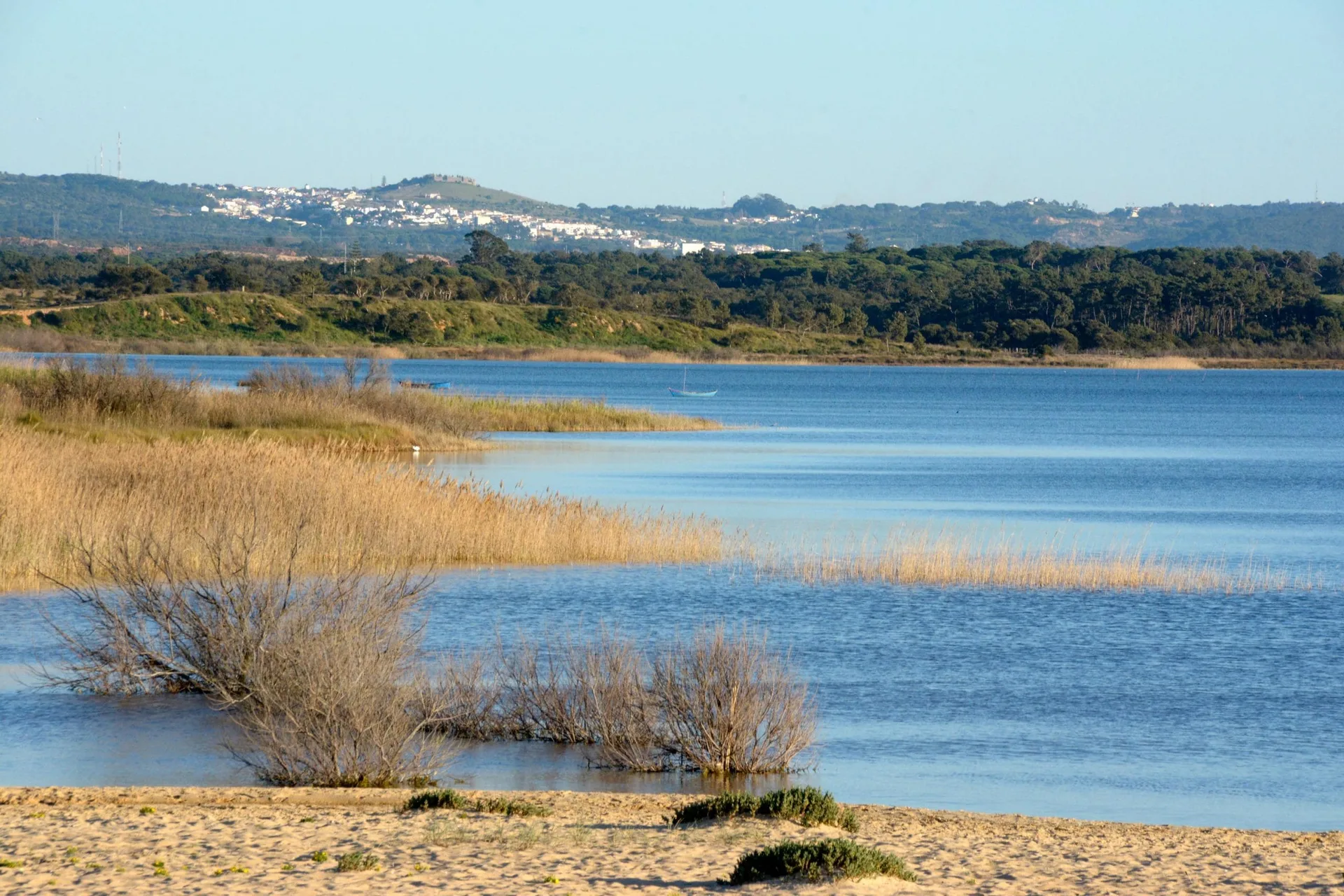
Santo André and Sancha Lagoons Nature Reserve
- Nature Reserves
Paul do Boquilobo Nature Reserve
- Nature Reserves
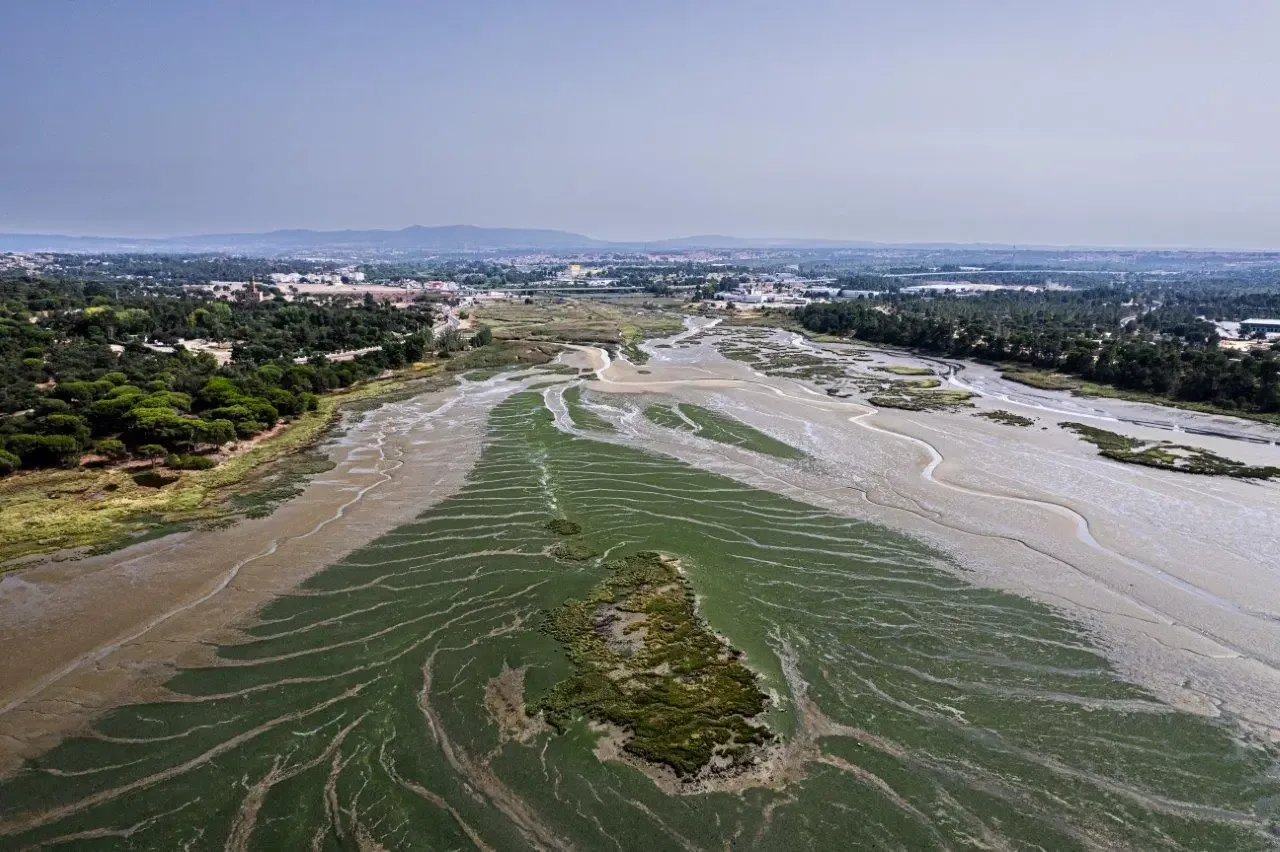
Sapal do Rio Coina and Mata da Machada Local Nature Reserve
- Nature Reserves
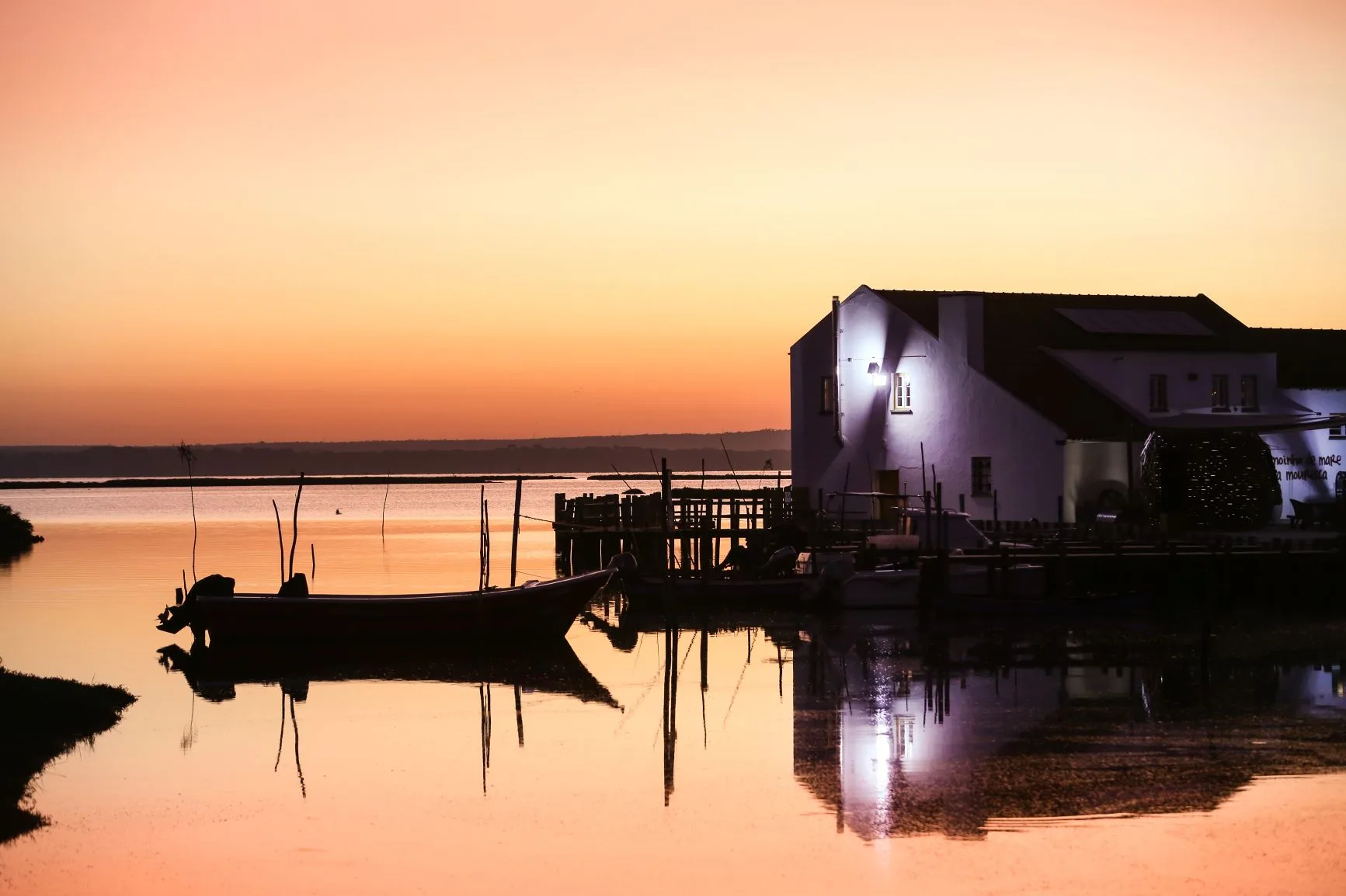
Sado Estuary Nature Reserve
- Nature Reserves
Paul de Arzila Nature Reserve
- Nature Reserves
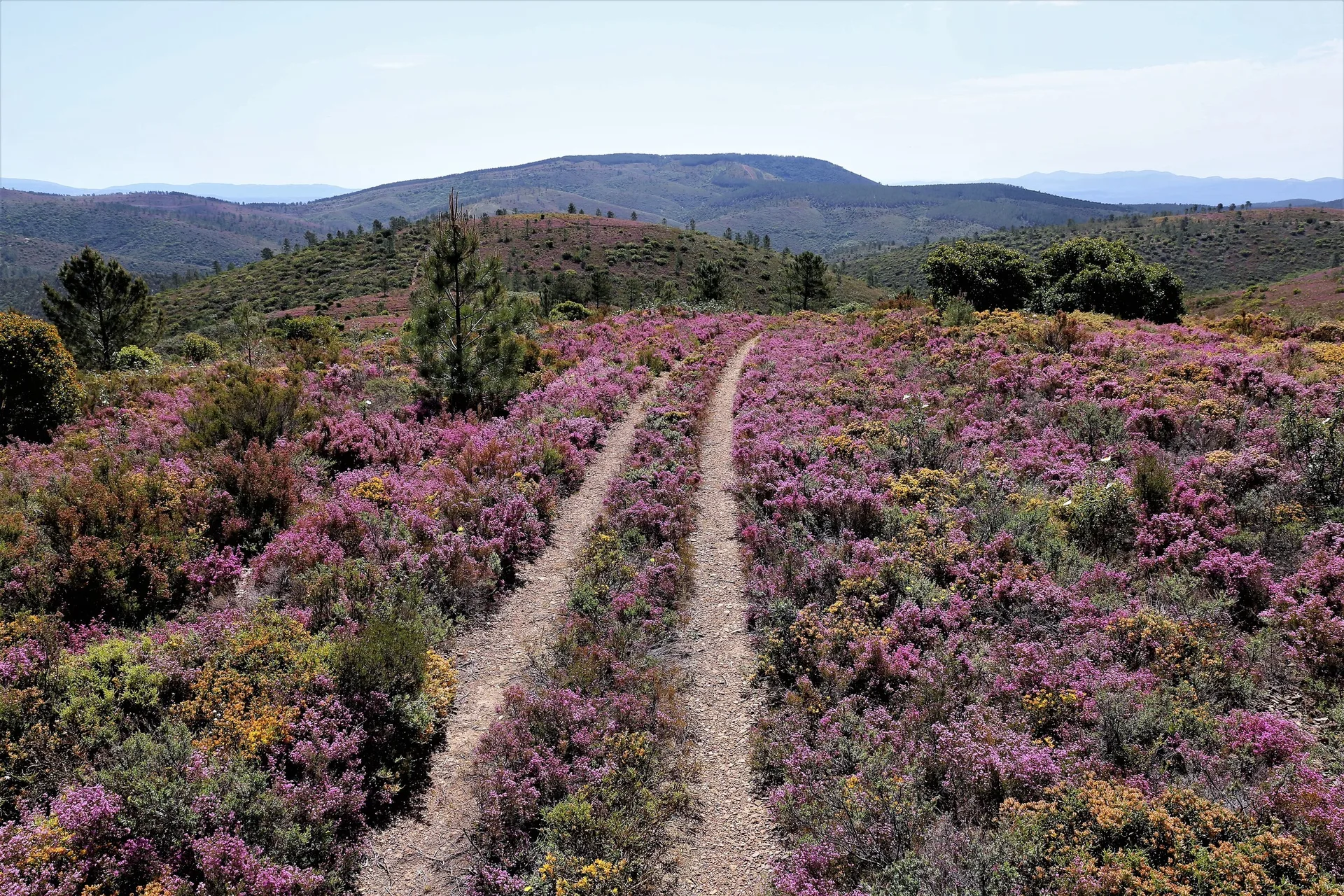
Serra da Malcata Nature Reserve
- Nature Reserves
Paul do Taipal Wetland
- Nature Reserves
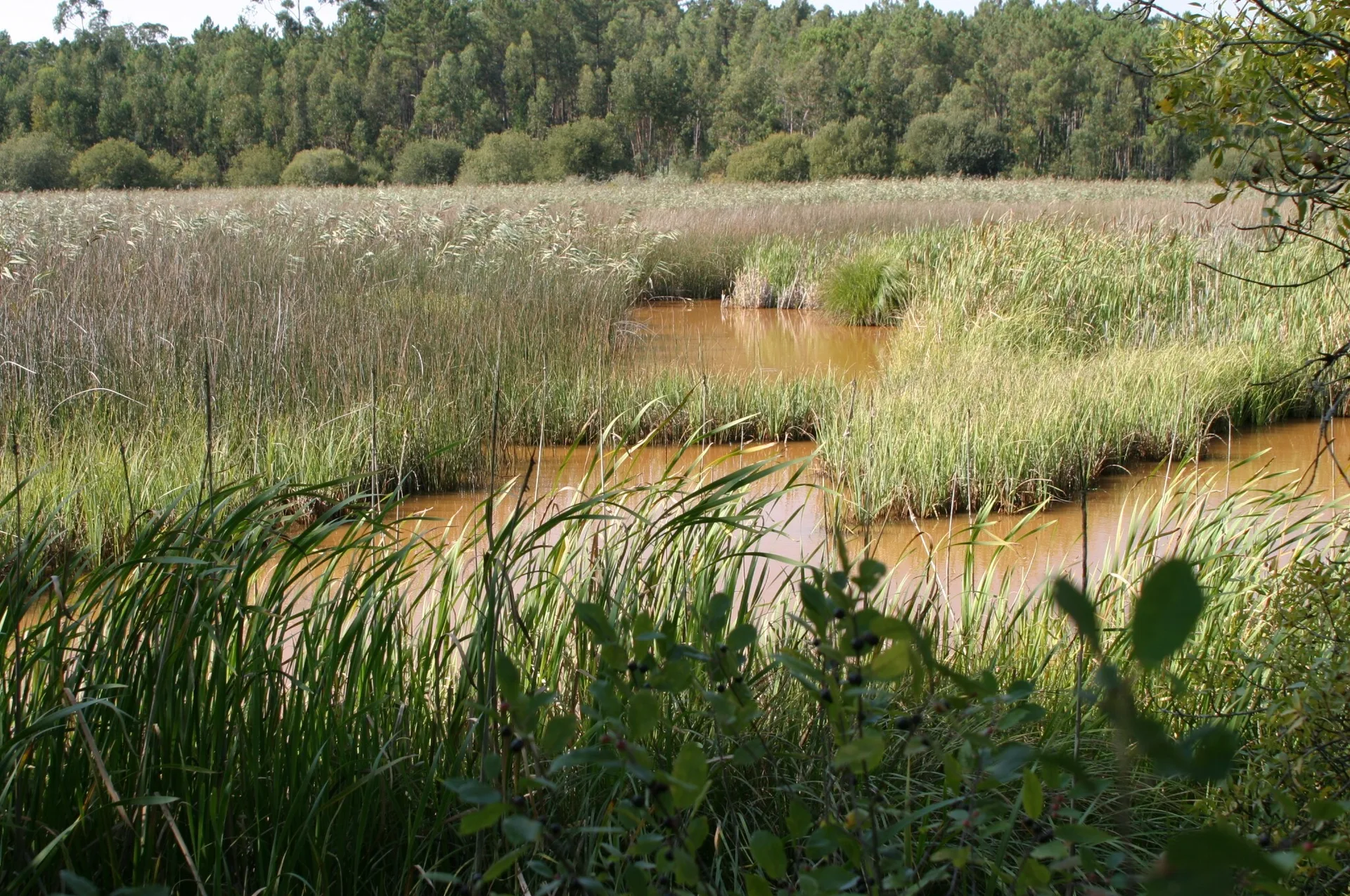
Paul da Madriz Wetland
- Nature Reserves
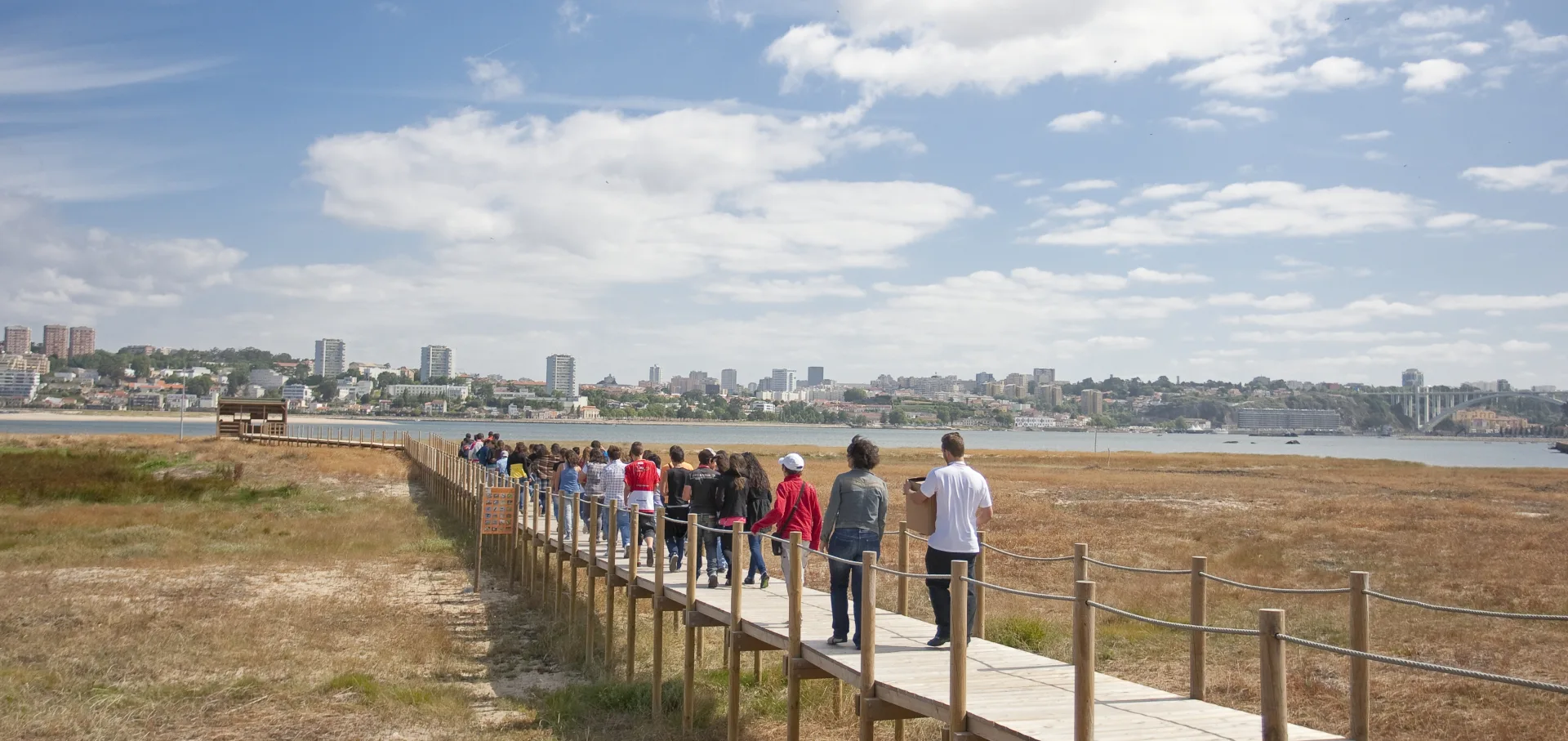
Douro Estuary Local Nature Reserve
- Nature Reserves

Faia Brava Reserve
- Nature Reserves
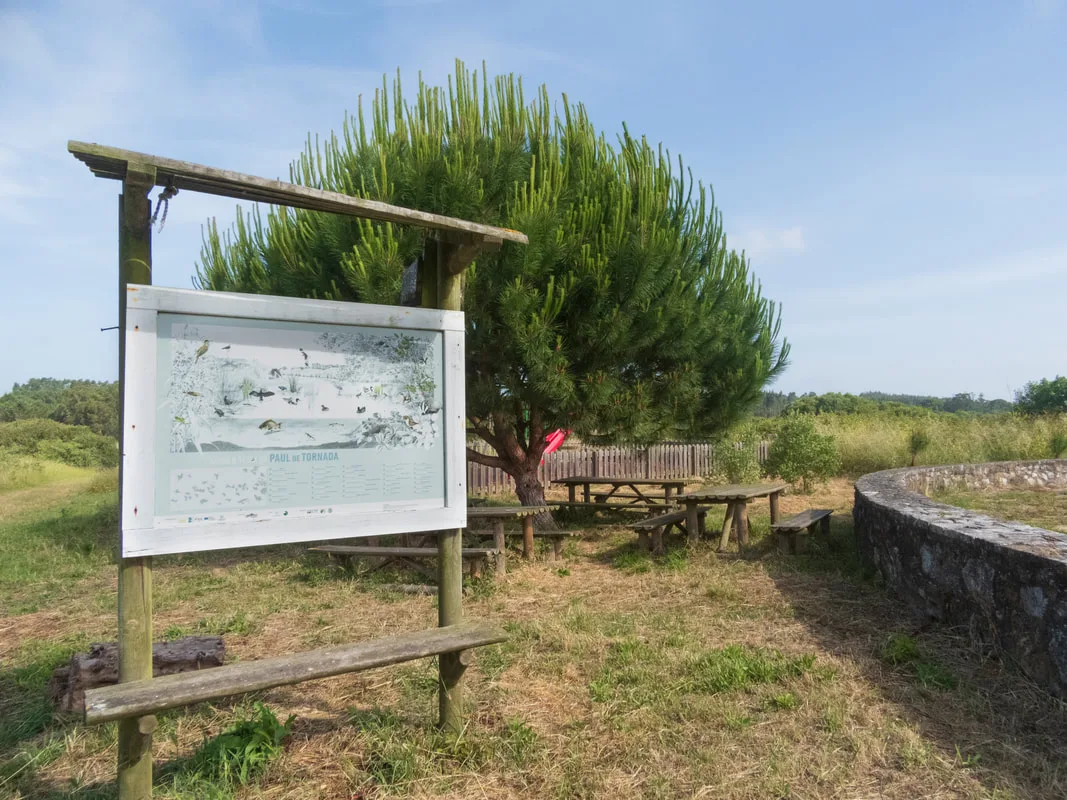
Paul de Tornada Local Nature Reserve
- Nature Reserves

Lagoa Pequena Interpretive Space
- Nature Reserves
Vila Franca do Campo Islet
- Nature Reserves
Selvagens Islands Nature Reserve
- Nature Reserves
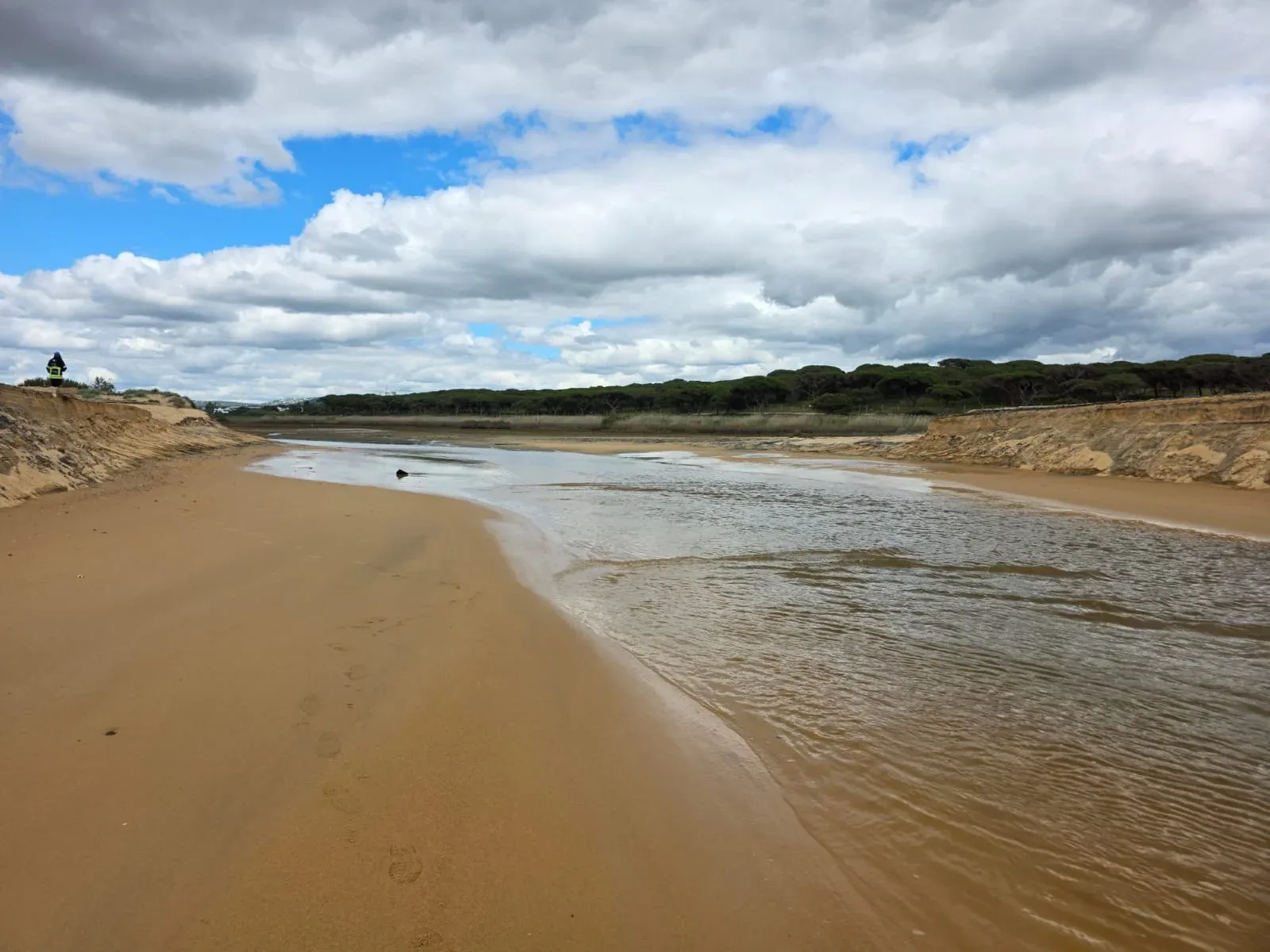
Foz do Almargem and Trafal Local Nature Reserve
- Nature Reserves

Pateira de Fermentelos Lagoon
- Nature Reserves
Pico Mountain Nature Reserve
- Nature Reserves
Rocha do Navio Nature Reserve
Travellers' notes
Tips and experiences from people who have been here.
No notes yet. Be the first to share a tip.