A small bird reserve at the mouth of the Douro in Vila Nova de Gaia, facing Porto: a salt marsh, sandbanks and the Cabedelo sand spit, with raised boardwalks leading to two hides. Entry is free.
About this place
The Douro Estuary Local Nature Reserve lies on the south bank of the river mouth, in Vila Nova de Gaia, beside the fishing village of Afurada and directly opposite the city of Porto. It covers about 66 hectares and takes in the Cabedelo sand spit and the bay of São Paio, where there is a salt marsh. The reserve grew out of an agreement signed in 2007 between the municipality of Gaia, through its Parque Biológico, and the port authority of the Douro and Leixões, and it is run by the Parque Biológico de Gaia. Protecting wild birds and the landscape is its main purpose.
The estuary sits on the East Atlantic flyway, the route that migratory birds follow along the coast, and the reserve gives them a place to rest, feed and shelter in the middle of a dense urban area. Waders are the speciality: Kentish plover, sanderling, turnstone, common sandpiper and curlew use the sands and mudflats exposed at low tide. Grey herons, little egrets, cormorants and kingfishers can be seen through the year, large flocks of gulls gather on the sandbanks, and the Sandwich tern is another of the waterbirds found here. Ospreys sometimes pass on their way south in autumn.
Visiting is simple and free. An interpretation centre summarises what there is to know about the estuary and is the base for the open days organised from time to time. From there, raised wooden boardwalks lead across the dunes to two hides: one looks over the salt marsh, the other, further out, faces a wide stretch of sand that is covered and uncovered by the tides. The site is accessible to visitors with special needs. A cycle path and promenade run along the river from Afurada to the Cabedelo, so birds can also be watched from outside the reserve.
Autumn is one of the best seasons, when flocks from northern and central Europe move through on their way to Africa; winter brings waders and gulls, and low tide is the time to see birds feeding on the exposed flats. The entrance is on Avenida Deoceliano Monteiro, in Canidelo, between Afurada and the Cabedelo. Salt-marsh plants such as sea purslane and sea rush grow in the wetter ground, while the dry dunes have their own flora.
Location
Porto41.1379, -8.6643
Nearby
- Eco Stays
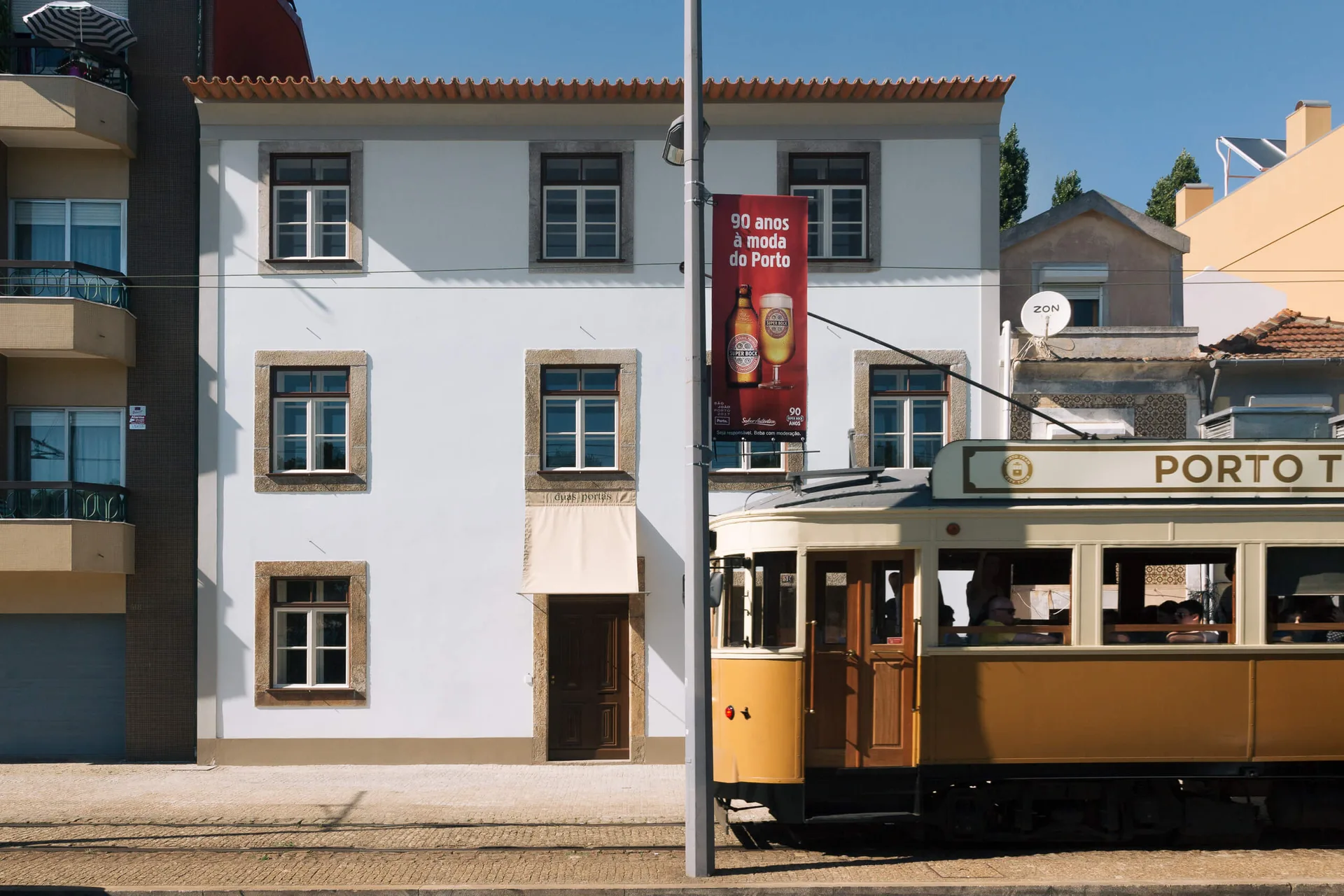
Duas Portas Townhouse
- Craft Food

Madan Artisan Bakery
- Restaurants

Em Carne Viva
- Organic Shops

IdealBio
- Organic Shops
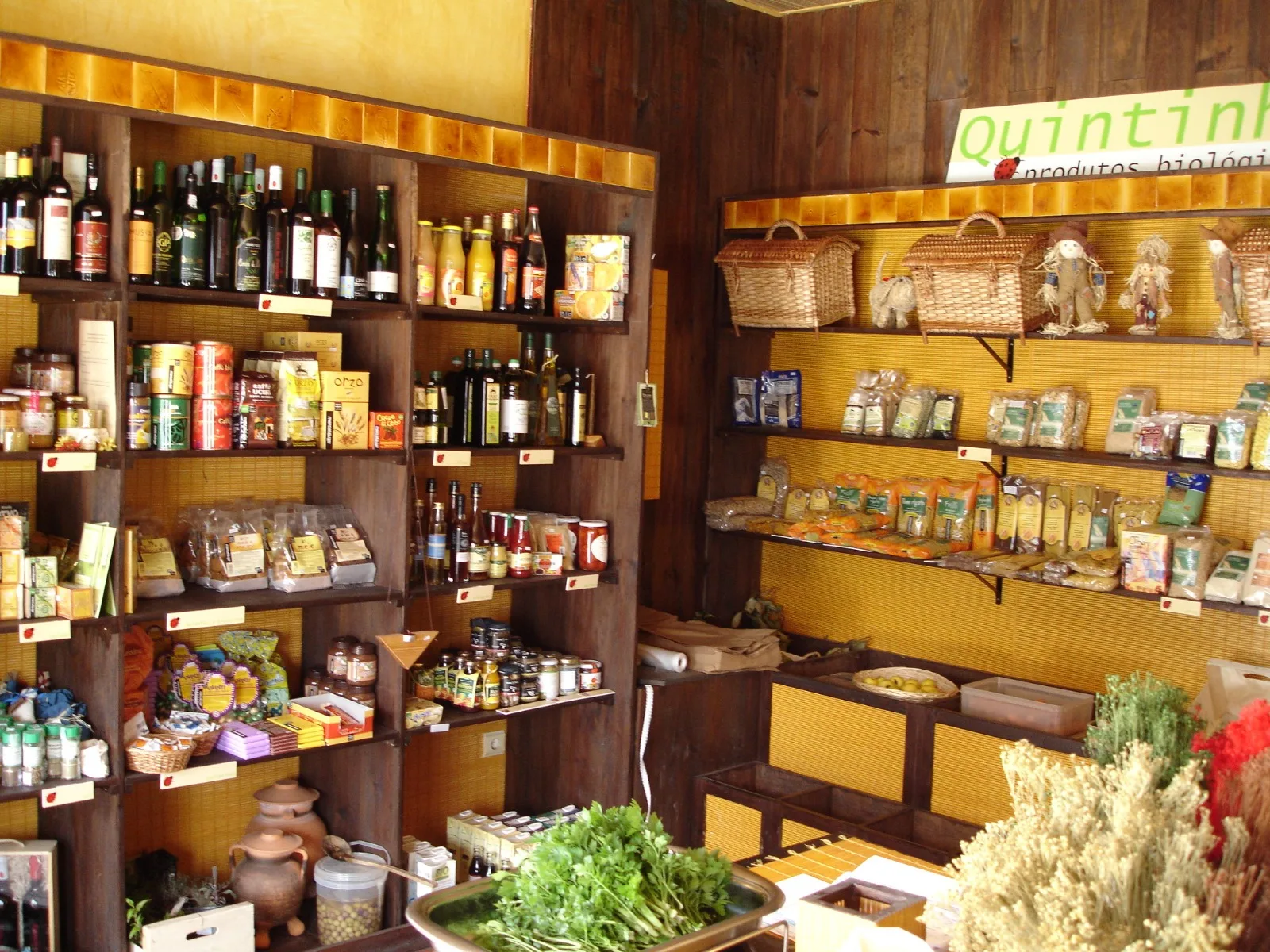
Quintinha – Organic Products
- Restaurants

Venn Canteen
- Craft Food

Pão da Terra
- Restaurants
Fava Tonka
Photos from travellers
Sent by people who have been here.
No traveller photos yet. Been here? Share yours.
More places in Nature Reserves
- Nature Reserves
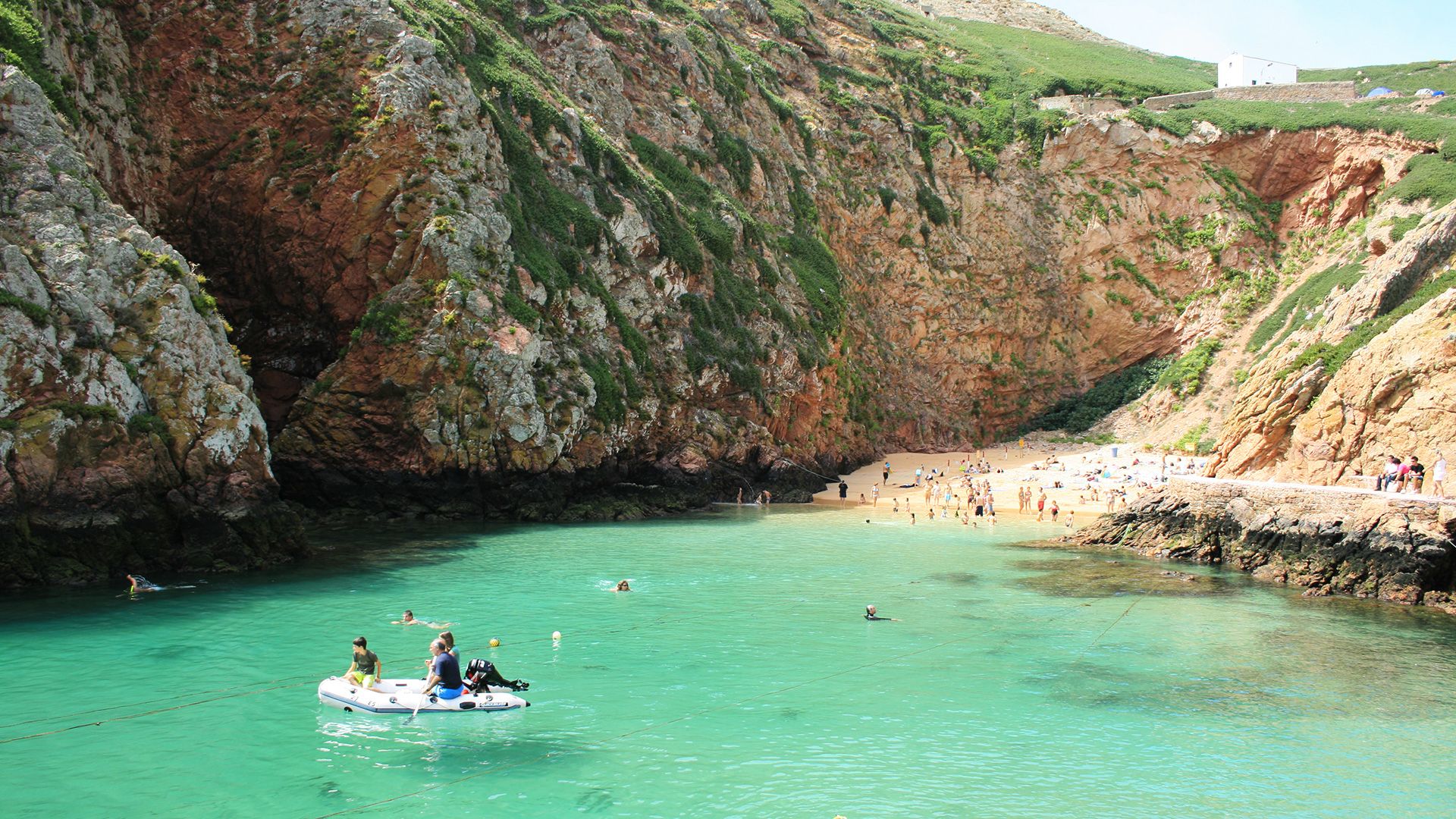
Berlengas Nature Reserve
- Nature Reserves
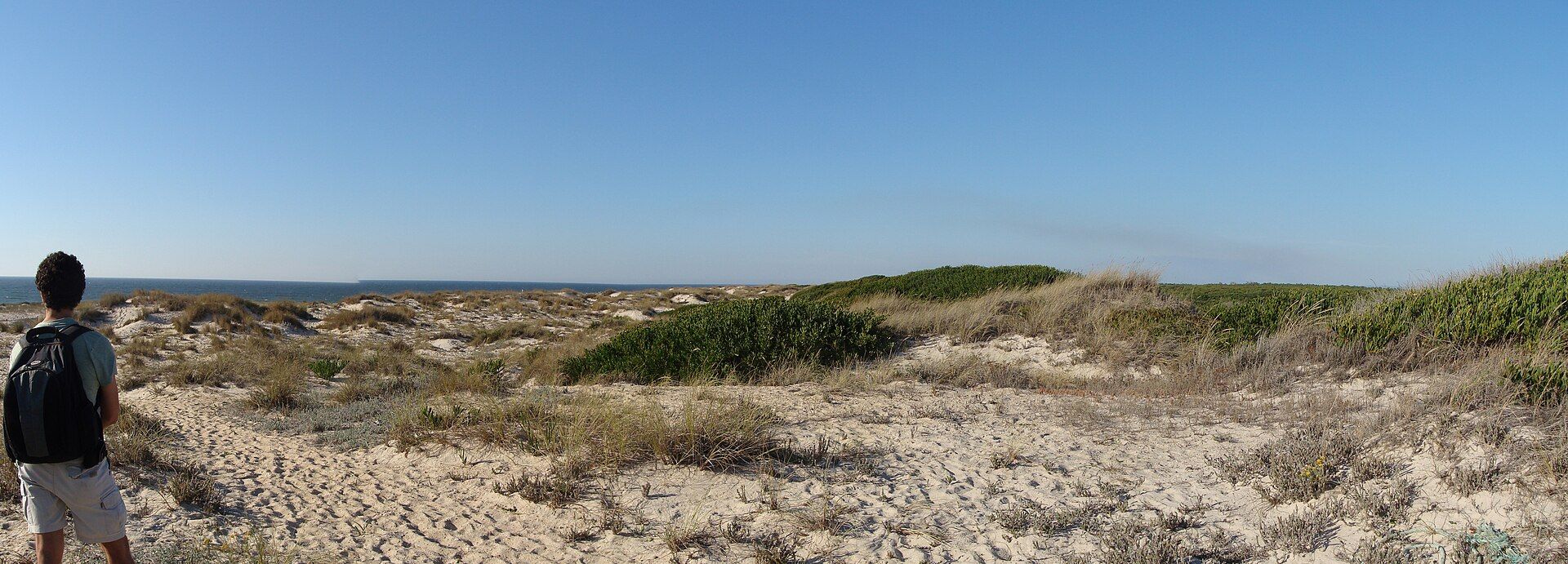
São Jacinto Dunes Nature Reserve
- Nature Reserves
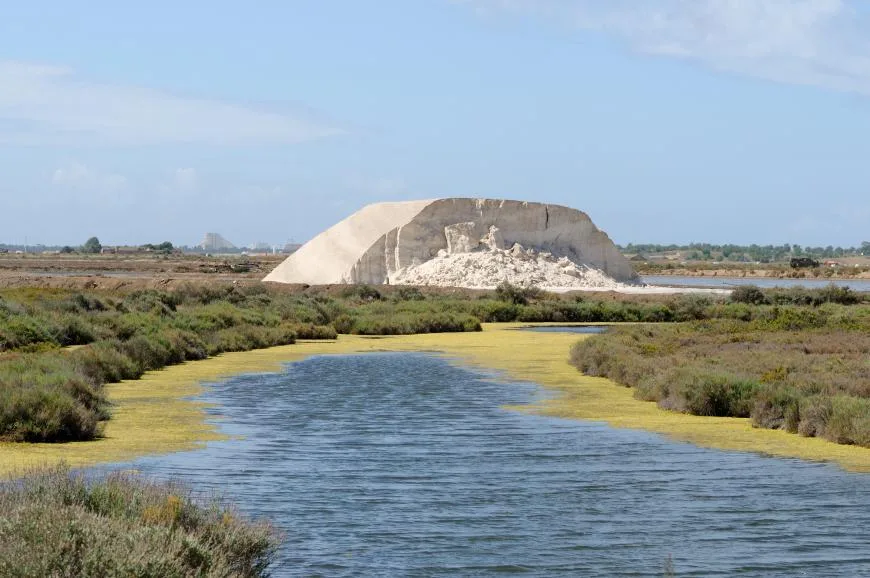
Castro Marim and Vila Real de Santo António Marsh Nature Reserve
- Nature Reserves
Desertas Islands Nature Reserve
- Nature Reserves
Garajau Partial Nature Reserve
- Nature Reserves
Lagoa do Fogo Nature Reserve
- Nature Reserves
Caldeira do Faial Nature Reserve
- Nature Reserves
Tagus Estuary Nature Reserve (Estuário do Tejo)
- Nature Reserves
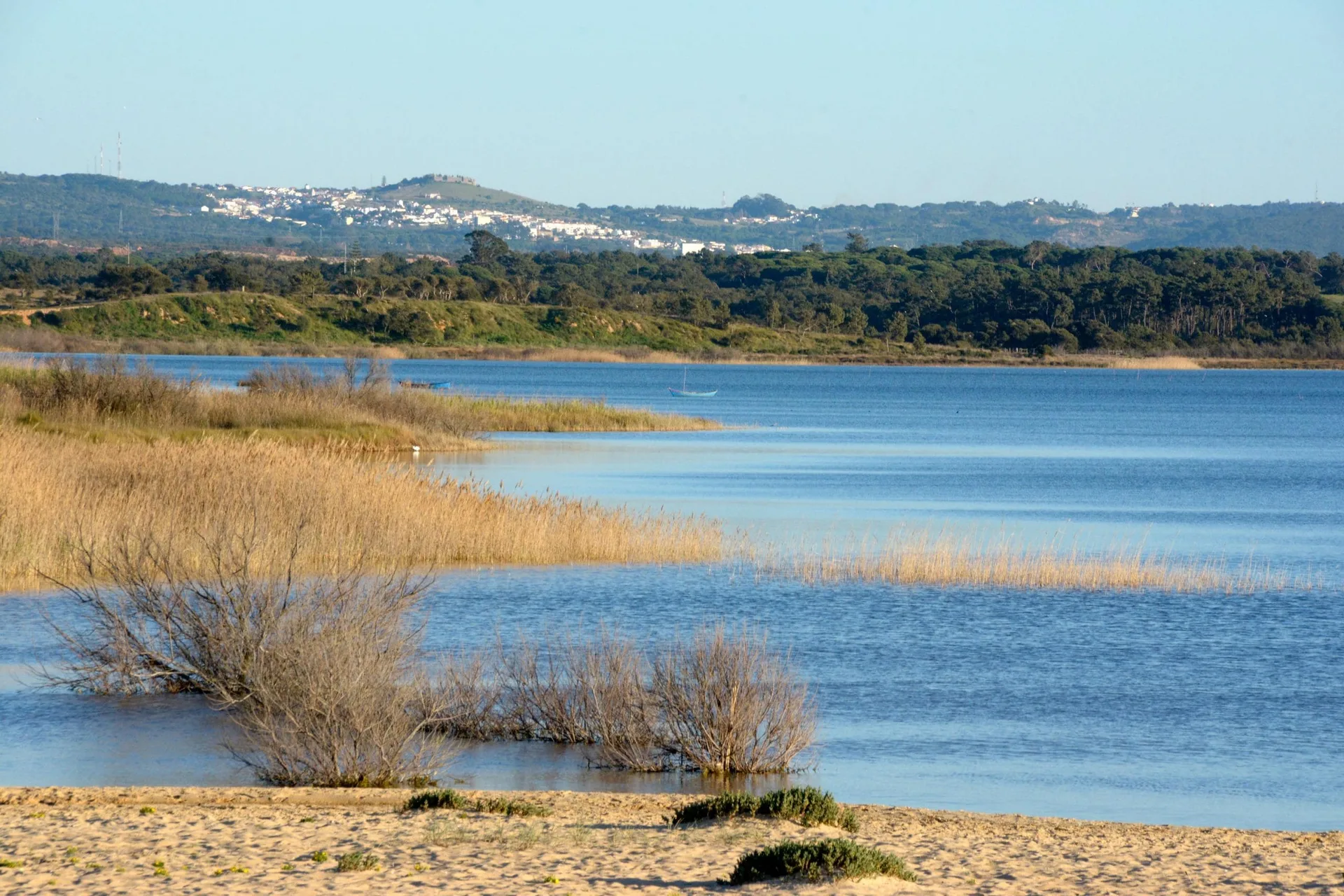
Santo André and Sancha Lagoons Nature Reserve
- Nature Reserves
Paul do Boquilobo Nature Reserve
- Nature Reserves
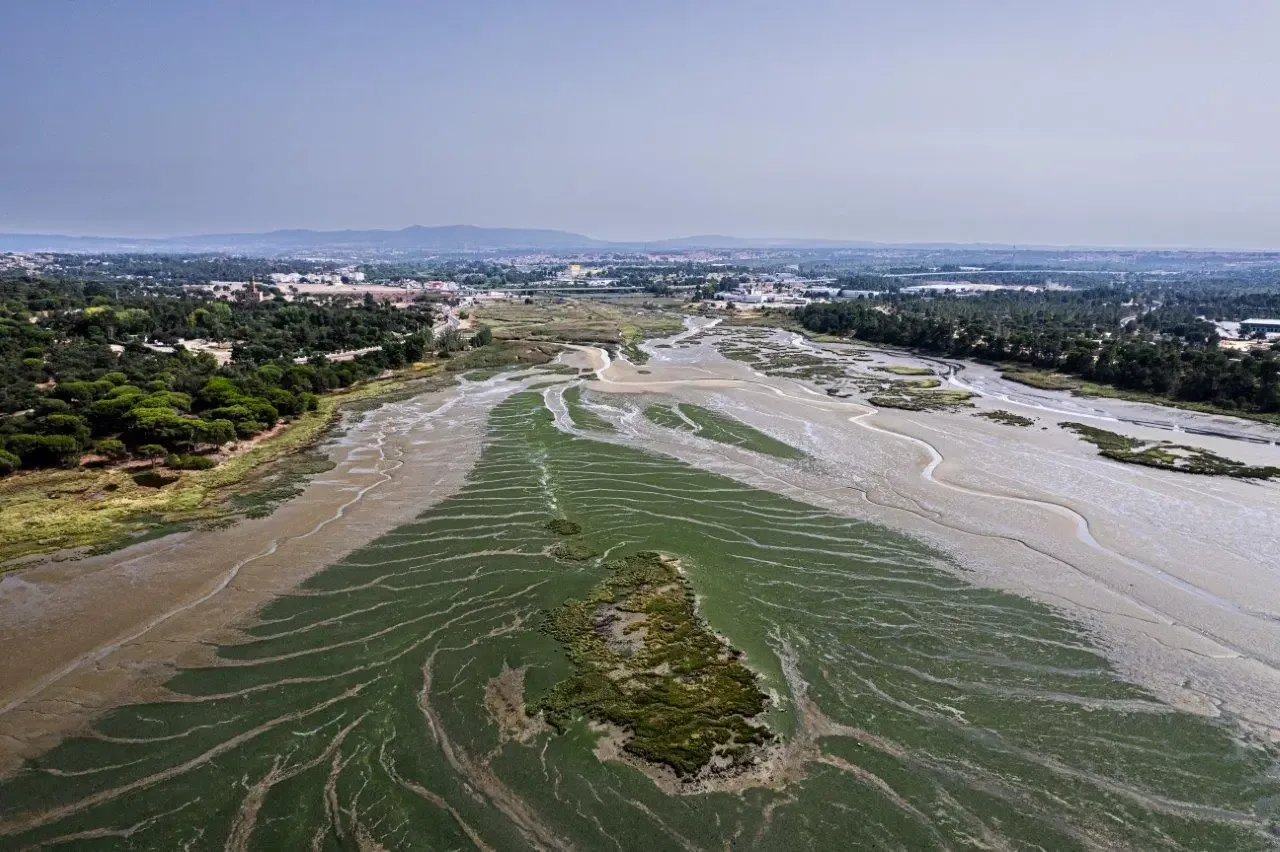
Sapal do Rio Coina and Mata da Machada Local Nature Reserve
- Nature Reserves
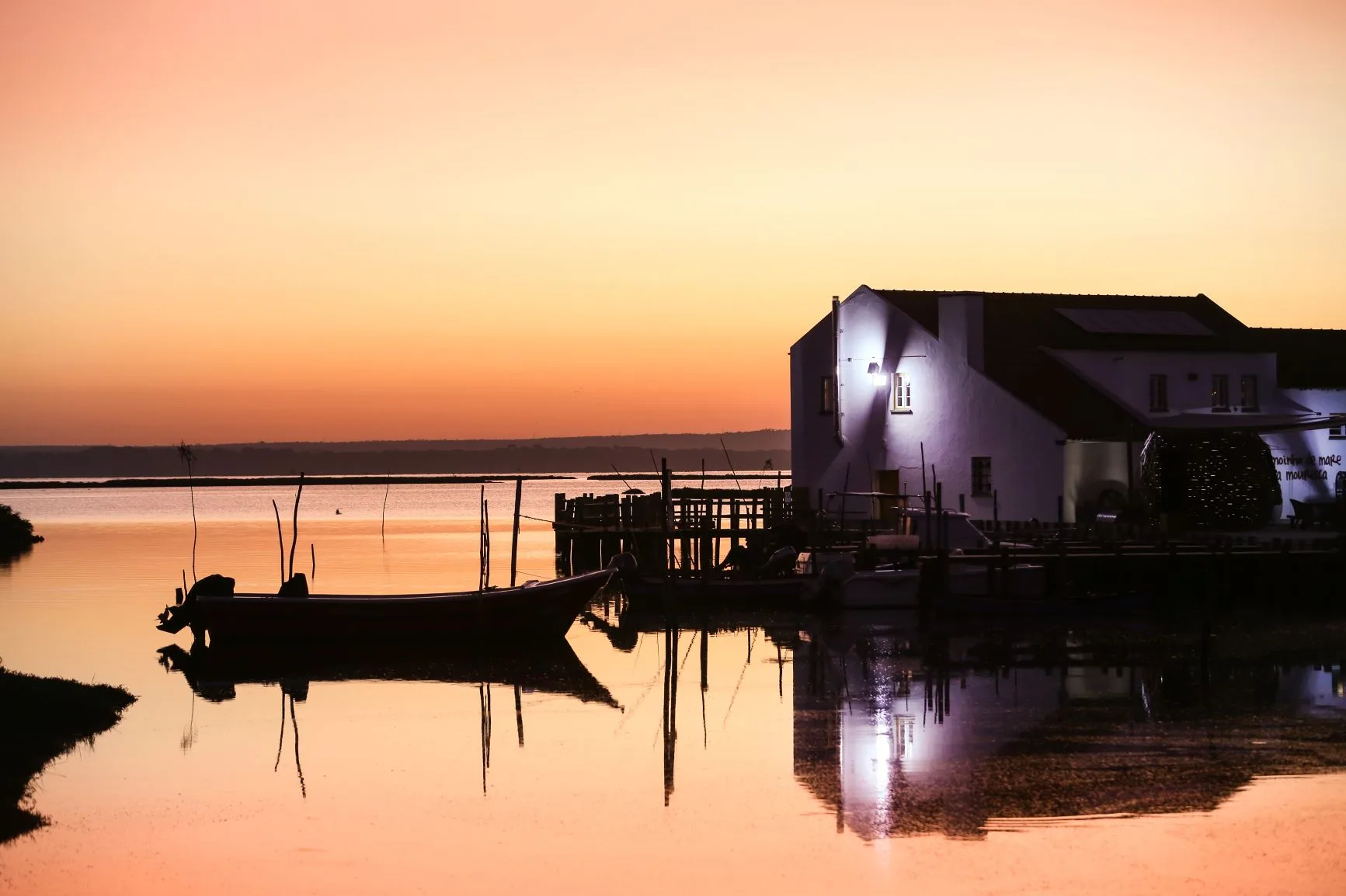
Sado Estuary Nature Reserve
- Nature Reserves
Paul de Arzila Nature Reserve
- Nature Reserves
Serra da Malcata Nature Reserve
- Nature Reserves
Paul do Taipal Wetland
- Nature Reserves
Paul da Madriz Wetland
- Nature Reserves

Faia Brava Reserve
- Nature Reserves
Paul de Tornada Local Nature Reserve
- Nature Reserves

Lagoa Pequena Interpretive Space
- Nature Reserves
Vila Franca do Campo Islet
- Nature Reserves
Selvagens Islands Nature Reserve
- Nature Reserves
Foz do Almargem and Trafal Local Nature Reserve
- Nature Reserves

Pateira de Fermentelos Lagoon
- Nature Reserves
Pico Mountain Nature Reserve
- Nature Reserves
Rocha do Navio Nature Reserve
- Nature Reserves
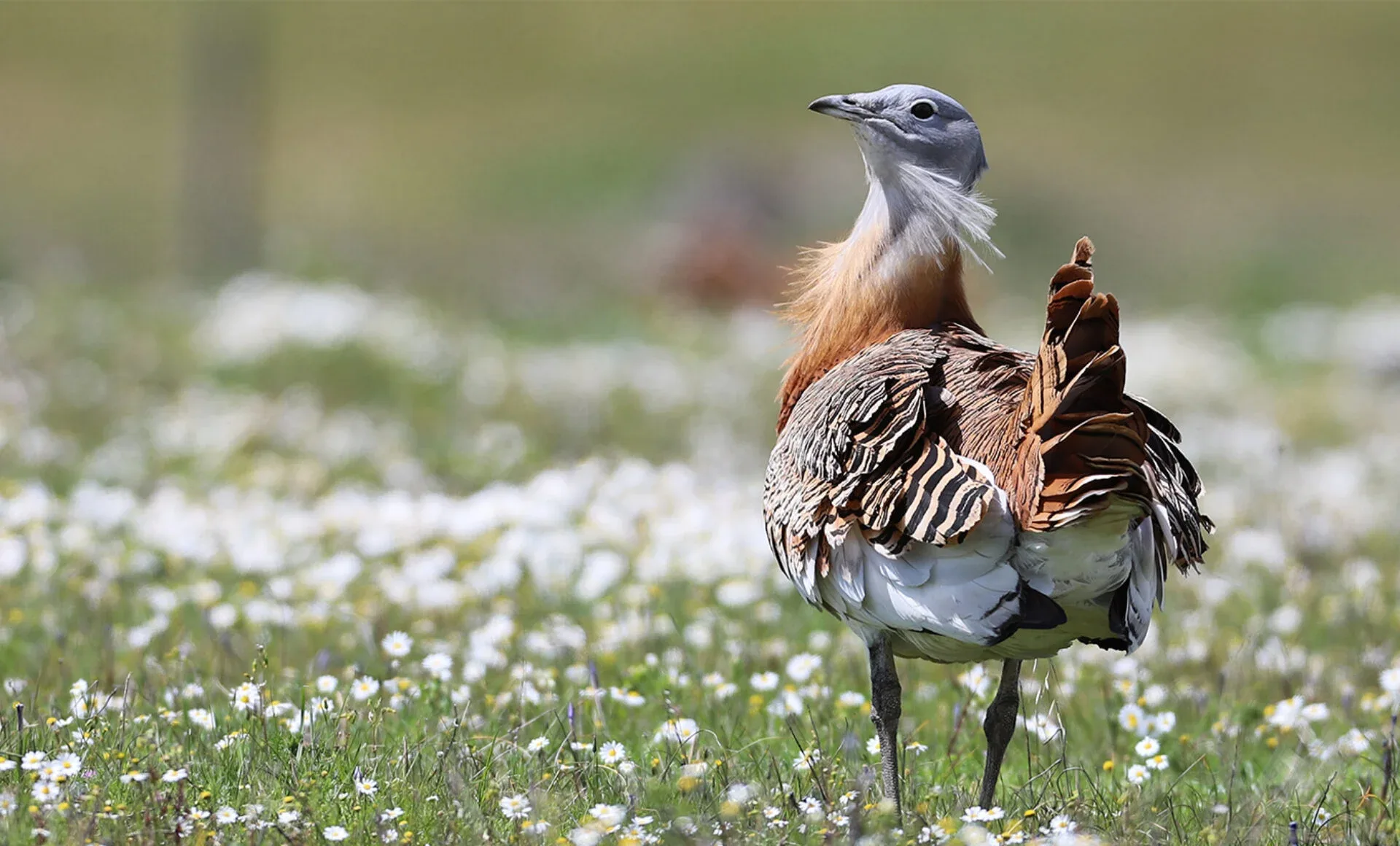
Castro Verde Biosphere Reserve
Travellers' notes
Tips and experiences from people who have been here.
No notes yet. Be the first to share a tip.