Casa Museu da Olaria – Flor da Rosa Pottery House-Museum
A small house-museum in the Alentejo village of Flor da Rosa, near Crato, devoted to the utilitarian clay ware that local potters have made since at least the 17th century.
About this place
The Casa Museu da Olaria stands on the Largo da Igreja in Flor da Rosa, a village just north of Crato in the Alto Alentejo, better known to most travellers for its fortified monastery. For centuries Flor da Rosa was one of the region's most important pottery centres: written records go back at least to the 17th century, and at the start of the 20th century most families in the village still lived from clay.
The museum shows the collection of the Associação Social para o Desenvolvimento de Flor da Rosa: the everyday ware that was sold at fairs all over the Alto Alentejo and Beira Baixa. Water jugs and cantis kept water cool, while caçarolas, frying pans and two-handled pots went straight onto the fire. Fourteen traditional forms are certified as exclusive to Flor da Rosa, and old examples of several of them are on display, including the curious pot with both handles on the same side.
The house also tells how the craft was saved. In 1988 the municipality of Crato set up a pottery school in the village, and its courses trained the potters who still throw utilitarian and decorative pieces here today. A visit pairs naturally with the monastery a few steps away and with the workshops of the village's remaining potters. Visits are arranged by contacting the museum in advance.
Location
Portalegre39.3046, -7.6472
Nearby
- Eco Stays

Quinta do Pomarinho
- Organic Shops

Nave Mãe
- Traditional Crafts
Portalegre Tapestry Manufactory
- Traditional Crafts

Centro Museológico da Arte Cesteira – Ribeira de Nisa Basketry Museum
- Craft Food
Quinta dos Remoinhos
- Eco Stays

Aromas dos Salgueiros
- Agritourism
Cabeças do Reguengo
- Agritourism
Quinta das Lavandas
Photos from travellers
Sent by people who have been here.
No traveller photos yet. Been here? Share yours.
More places in Traditional Crafts
- Traditional Crafts
Teciborda
- Traditional Crafts
Mértola Weaving Workshop
- Traditional Crafts
CACO – Odemira Artisans' Association
- Traditional Crafts
Porches Pottery
- Traditional Crafts
Bordal – Madeira Embroidery Factory
- Traditional Crafts
Azores in a Box – Certified Azorean Craft Shop
- Traditional Crafts
Portalegre Tapestry Manufactory
- Traditional Crafts
Fabricaal – Alentejo Wool Mill
- Traditional Crafts
Azulejos de Azeitão – Traditional Tile Workshop
- Traditional Crafts
Sant'Anna Tile and Faience Factory
- Traditional Crafts
Chocalhos Pardalinho – Cowbell Workshop
- Traditional Crafts
Castelo Branco Embroidery Interpretation Centre
- Traditional Crafts
PoeirasGlass – Glass Studio
- Traditional Crafts
Roque Gameiro Arts and Crafts Centre – Minde Weaving Workshop
- Traditional Crafts
A. M. Domingues – Coimbra Faience Workshop
- Traditional Crafts

Burel Factory – Wool Mill in Manteigas
- Traditional Crafts
Capuchinhas – Montemuro Weaving Cooperative
- Traditional Crafts
Vila do Conde Bobbin Lace Museum
- Traditional Crafts
Casa Sandra – Viana Embroidery Shop
- Traditional Crafts

Casa do Tear – Pardilhó Weaving House
- Traditional Crafts

Casa do Risco – Terra de Sousa Embroidery House
- Traditional Crafts
Museu do Linho – Limões Linen Museum
- Traditional Crafts
Silk and Territory Museum – Freixo de Espada à Cinta
- Traditional Crafts

Cutelaria Martins – Palaçoulo Knife Makers
- Traditional Crafts
Isilda Parente – Viana Embroidery Atelier
- Traditional Crafts
Casa da Lã – Bucos Wool House
- Traditional Crafts
Casa da Empreita – Loulé Palm Weaving House
- Traditional Crafts

Olaria Pequena – The Little Pottery, Porches
- Traditional Crafts
Senhora da Encarnação Craft Cooperative – São Jorge
- Traditional Crafts
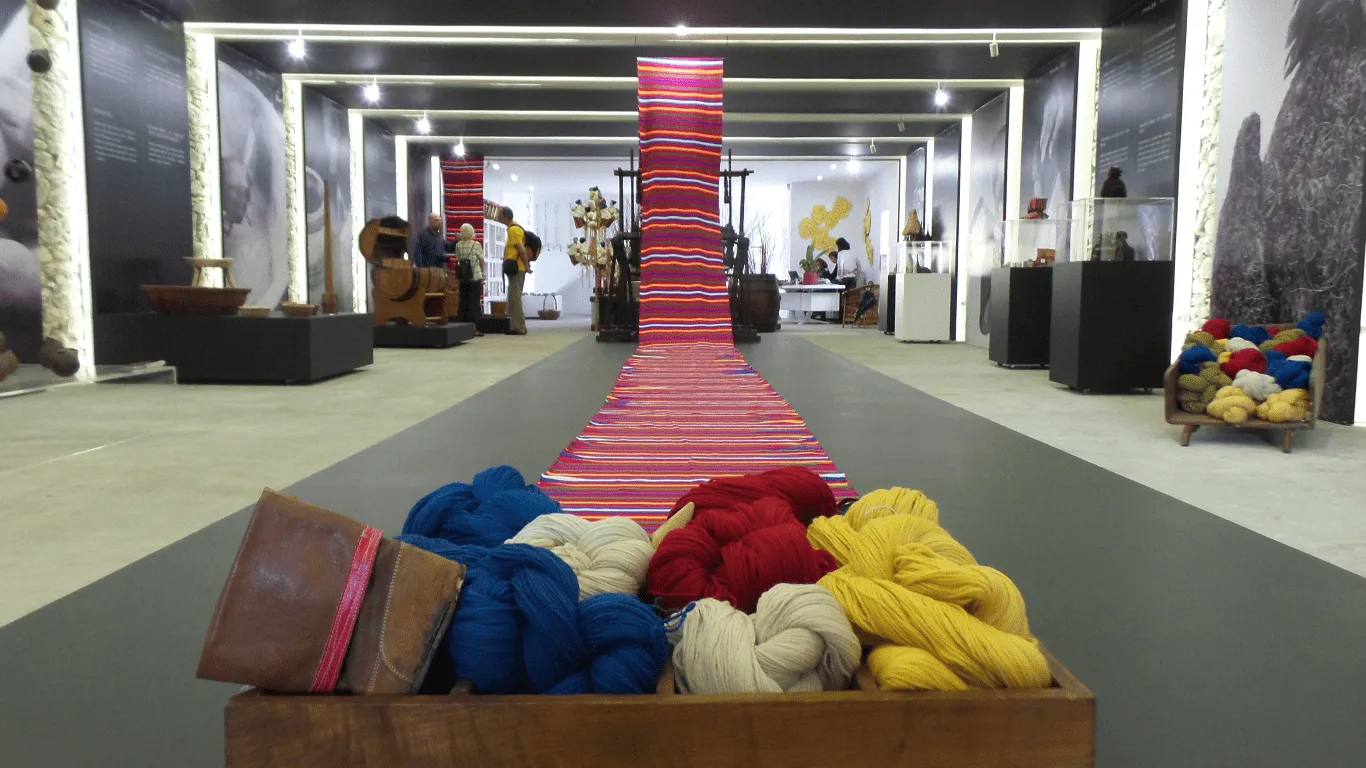
Artes e Ofícios Tradicionais da Madeira – Madeira Craft Shop and Exhibition
- Traditional Crafts
Oficina do Burel – Burel Wool Workshop in Montalegre
- Traditional Crafts

Caza das Vellas Loreto – Lisbon Candle Makers since 1789
- Traditional Crafts

Viúva Lamego – Hand-Painted Tile Factory in Sintra
- Traditional Crafts
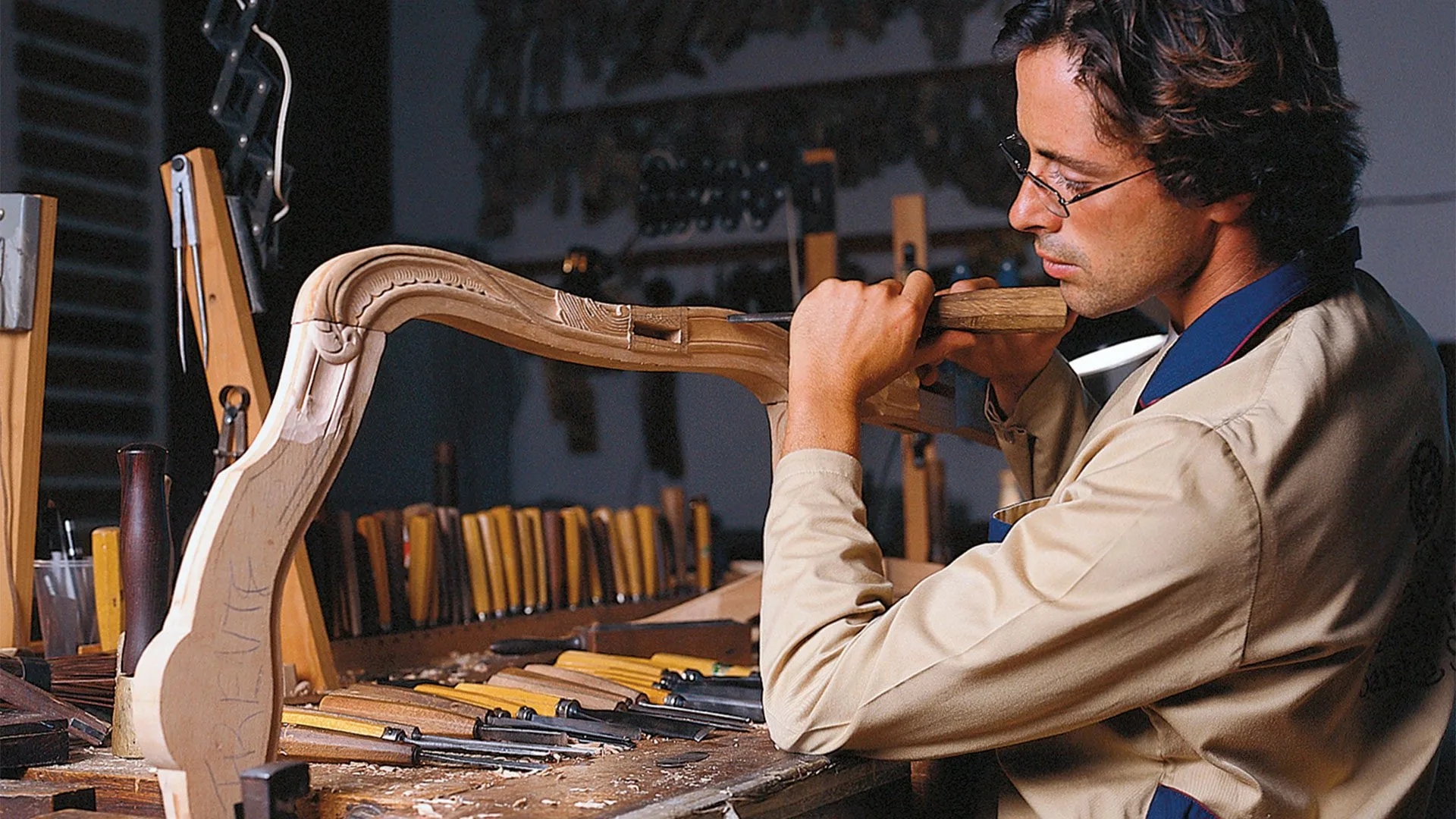
Ricardo do Espírito Santo Silva Foundation – Decorative Arts Museum and Craft Workshops
- Traditional Crafts

Museu do Bordado e do Barro – Nisa Embroidery and Clay Museum
- Traditional Crafts

OFceramics – Oficina da Formiga, Hand-Painted Faience in Ílhavo
- Traditional Crafts
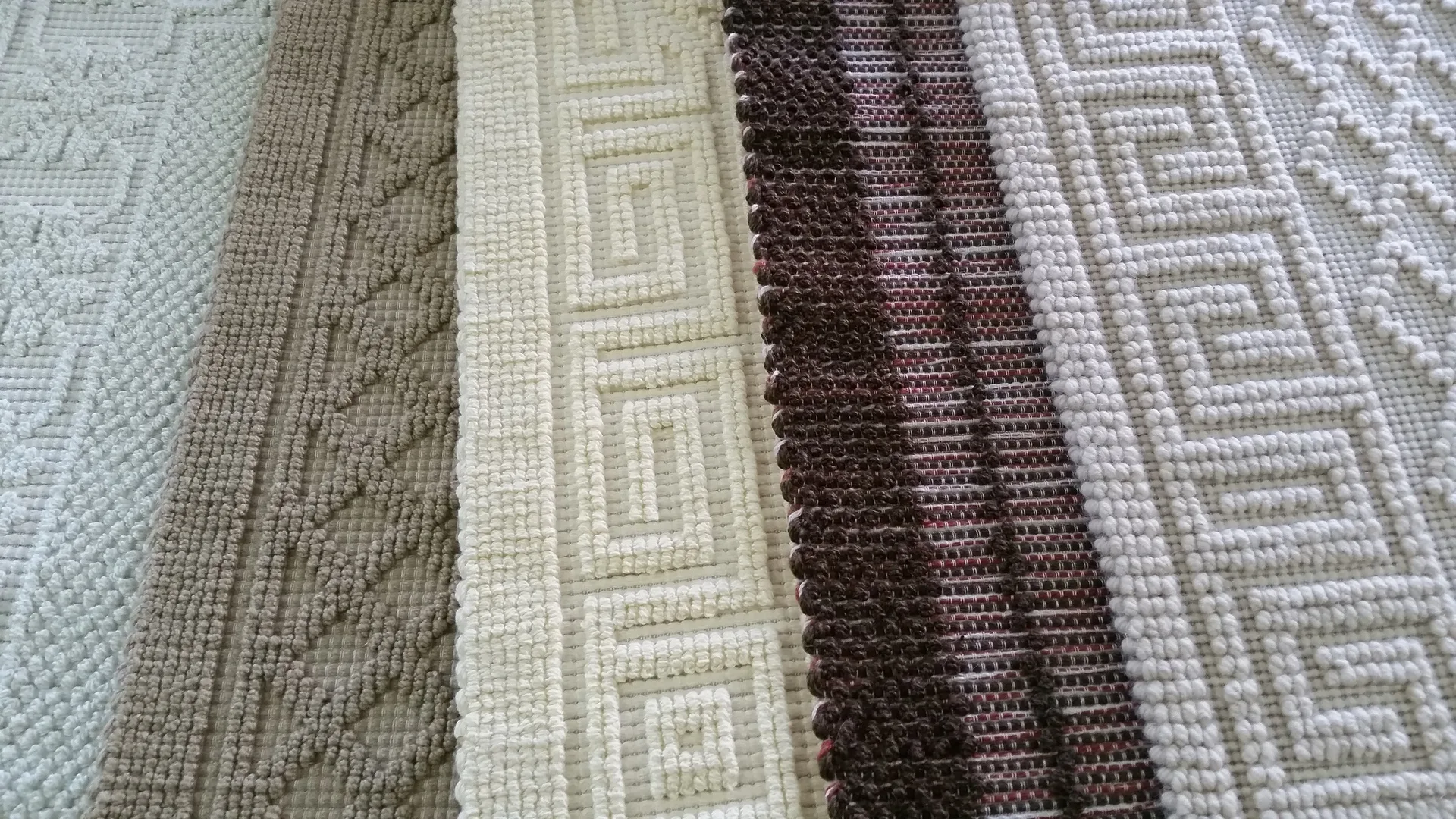
Cristina Fachada – Almalaguês Weaving Workshop
- Traditional Crafts

Toino Abel – Soft-Rush Basketry Workshop
- Traditional Crafts
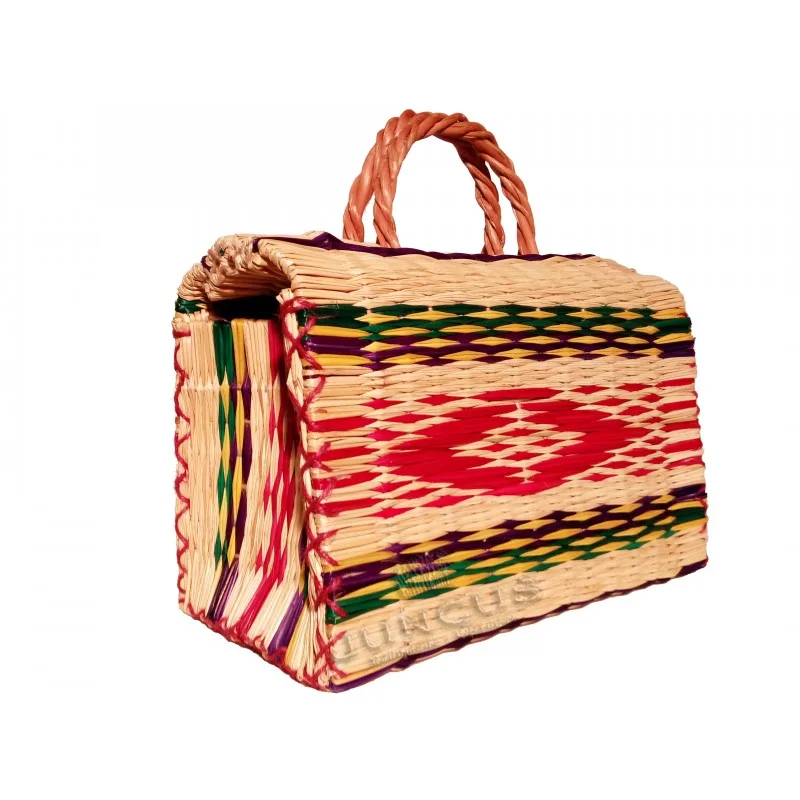
Juncus – Coruche Rush Basket Workshop
- Traditional Crafts
Casa das Tecedeiras – Janeiro de Cima Weavers' House
- Traditional Crafts
Peniche Municipal Bobbin Lace School
- Traditional Crafts

Olaria Artantiga – Black Clay Pottery of Molelos
- Traditional Crafts

Várzea de Calde Linen Museum
- Traditional Crafts

Gondomar Municipal Filigree Museum
- Traditional Crafts
São Simão Arte – Hand-Made Azulejos in Azeitão
- Traditional Crafts

Museu de Olaria – Barcelos Pottery Museum
- Traditional Crafts

Olaria de São Bento – Traditional Pottery of Terceira
- Traditional Crafts

Oficina-Museu das Capelas – Azorean Arts and Crafts Workshop-Museum
- Traditional Crafts
Luthier Cardoso – Viola Campaniça Makers in Trindade
- Traditional Crafts

Artesanato do Corvo – Corvo Caps and Wooden Locks
- Traditional Crafts

Arraiolos Rug Interpretation Centre
- Traditional Crafts
LBP – Louça de Barro Preto, Black Clay Pottery of Olho Marinho
- Traditional Crafts

Museu de Tecelagem dos Meios – Meios Weaving Museum
- Traditional Crafts
Casa das Talhas – Asseiceira Clay Pot Pottery
- Traditional Crafts
Museu de Lanifícios – Wool Museum of the University of Beira Interior
- Traditional Crafts
New Hand Lab – Creative Wool Factory in Covilhã
- Traditional Crafts
Centro Museológico da Arte Cesteira – Ribeira de Nisa Basketry Museum
- Traditional Crafts

Museu da Chapelaria – Hat Museum of São João da Madeira
- Traditional Crafts

Casa do Careto – Podence Mask and Costume House
- Traditional Crafts

Museu Ibérico da Máscara e do Traje – Iberian Mask and Costume Museum
- Traditional Crafts

Redondo Clay Museum – Museu do Barro de Redondo
- Traditional Crafts

Olaria Bulhão – Family Pottery in São Pedro do Corval
- Traditional Crafts

Espaço Fortuna Artes e Ofícios – Ceramics and Tile Workshop in Palmela
- Traditional Crafts

Correaria Goucha – Traditional Saddlery in Alcácer do Sal
- Traditional Crafts
Madeira Ethnographic Museum – Museu Etnográfico da Madeira
- Traditional Crafts

Tapetes Beiriz – Hand-Knotted Rug Workshop in Póvoa de Varzim
- Traditional Crafts
Loja Oficina – Guimarães Embroidery and Craft Shop
- Traditional Crafts

Facas Irmãos Pires – Forged Knives of Palaçoulo
- Traditional Crafts
Lombo do Ferreiro – Artisan Cutlery Workshop in Santa Catarina
- Traditional Crafts
Olaria Carrilho Lopes – Family Pottery in São Pedro do Corval
- Traditional Crafts

Museu Vista Alegre – Porcelain Factory Museum and Hand-Painting Workshop in Ílhavo
- Traditional Crafts

Estaleiro-Museu do Monte Branco – Moliceiro Boatyard Museum in Torreira
- Traditional Crafts
Luvaria Ulisses – Lisbon's Glove Maker and Shop since 1925
- Traditional Crafts
Fábrica Bordallo Pinheiro – Faience Factory Shop and Museum in Caldas da Rainha
- Traditional Crafts
Centro de Artes e da Viola Campaniça – Viola Campaniça Workshop in Castro Verde
- Traditional Crafts
Museu da Cortiça – Cork Museum at the Fábrica do Inglês, Silves
- Traditional Crafts
Cutelaria Ernesto Pires & Filhos – Verdugal Knife Makers near Guarda
- Traditional Crafts

Casa dos Oleiros – Ceramics Studio near Lagos
- Traditional Crafts
Aresta Viva – Hand-Made Azulejo Workshop in Faro
- Traditional Crafts
Vandel – Cerâmicas de Coimbra, Hand-Painted Faience in Condeixa
Travellers' notes
Tips and experiences from people who have been here.
No notes yet. Be the first to share a tip.